“The film may begin with Odysseus’s journey, but your own Moroccan odyssey begins in the High Atlas”
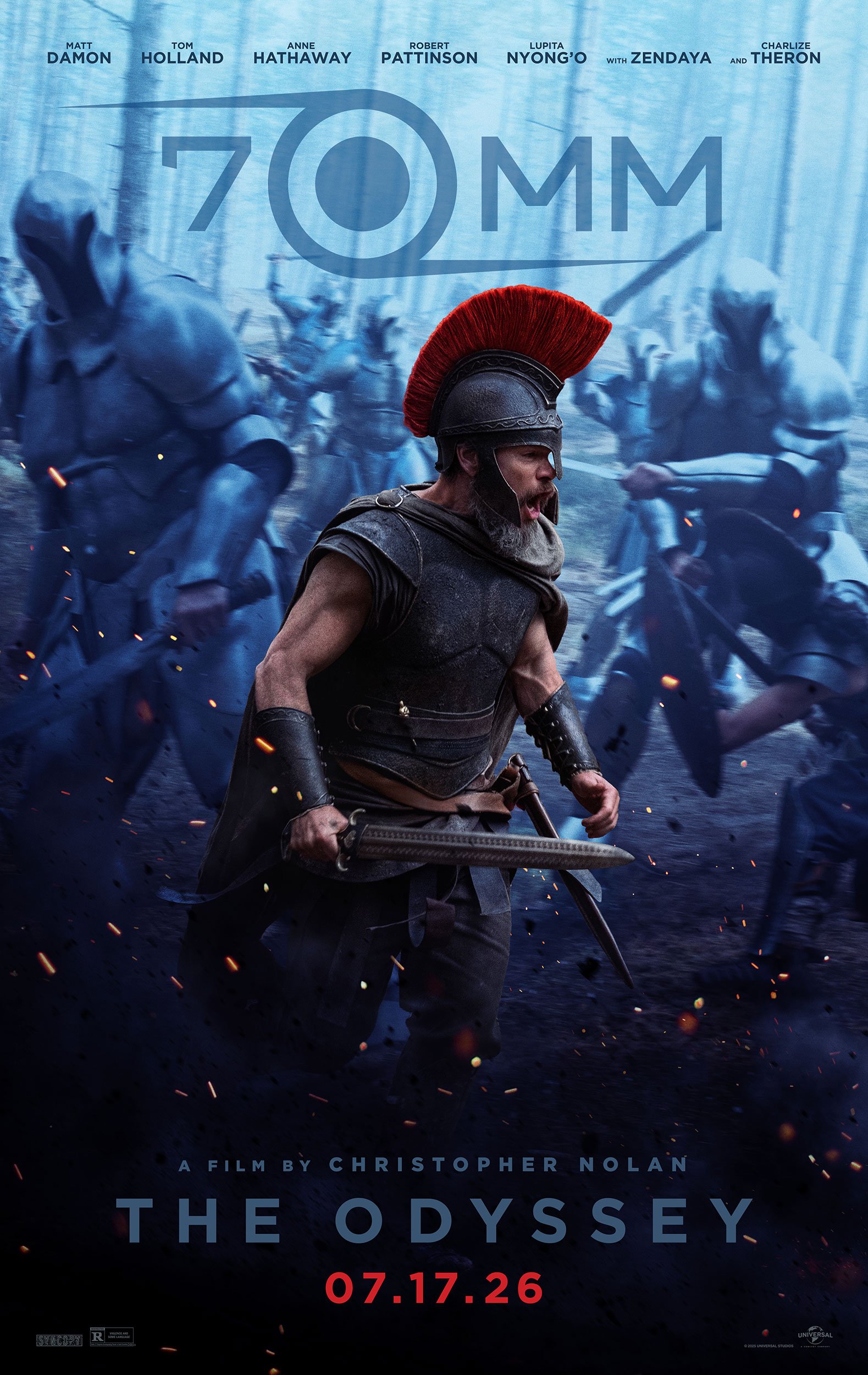
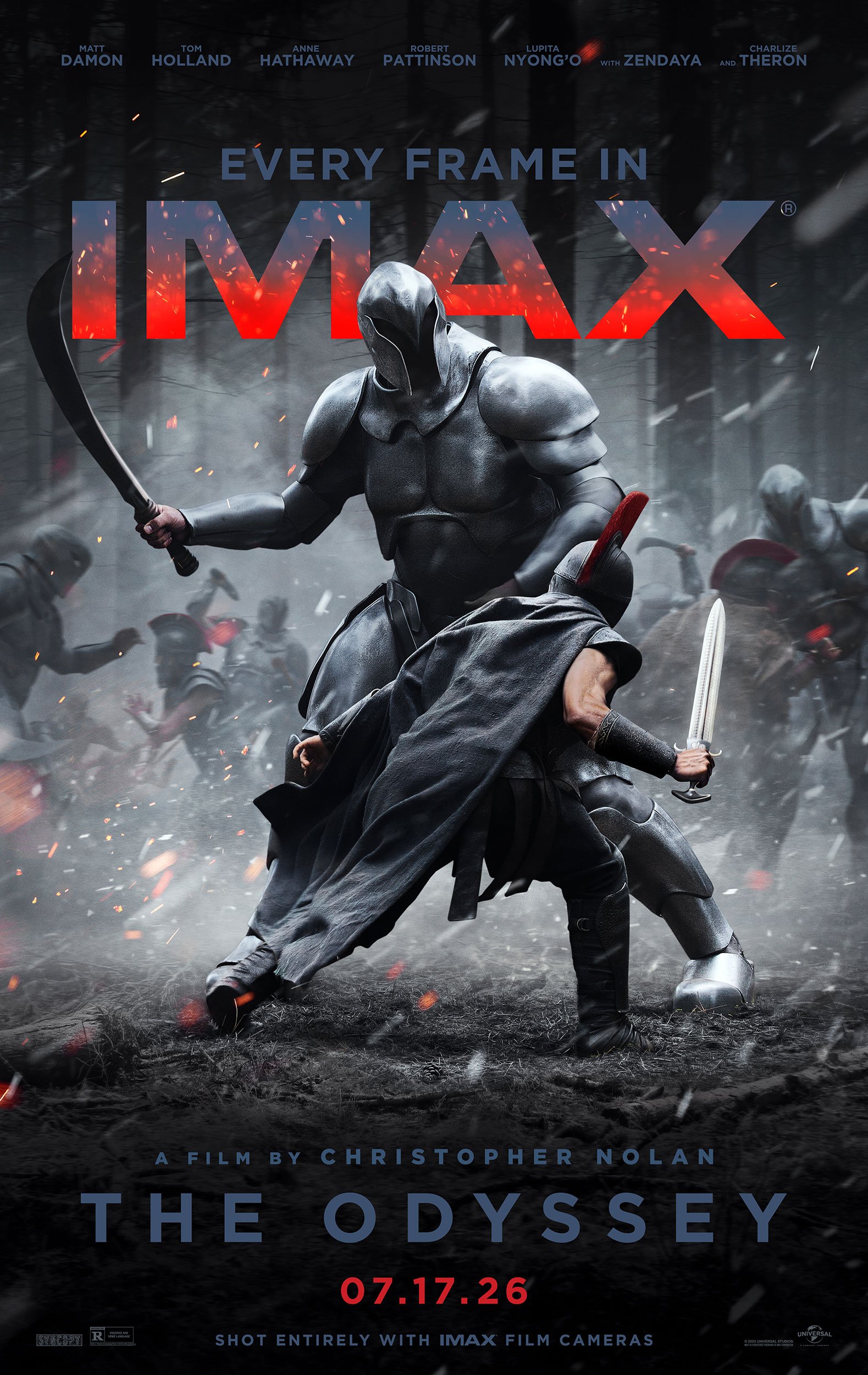
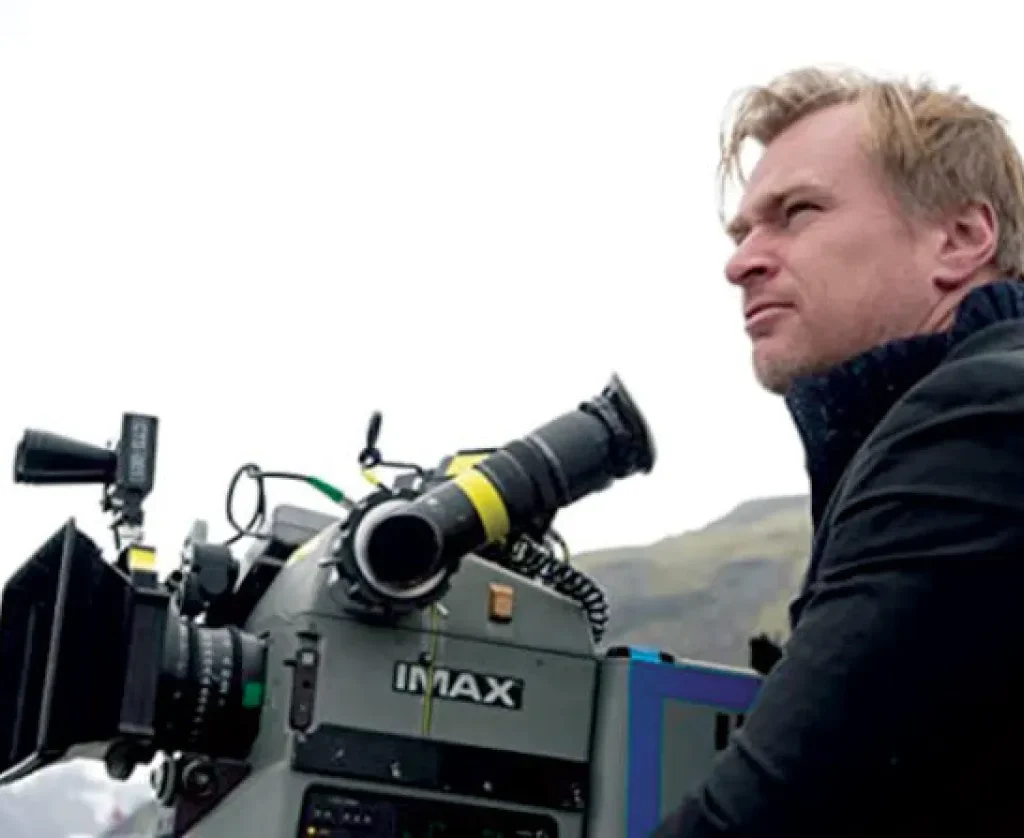
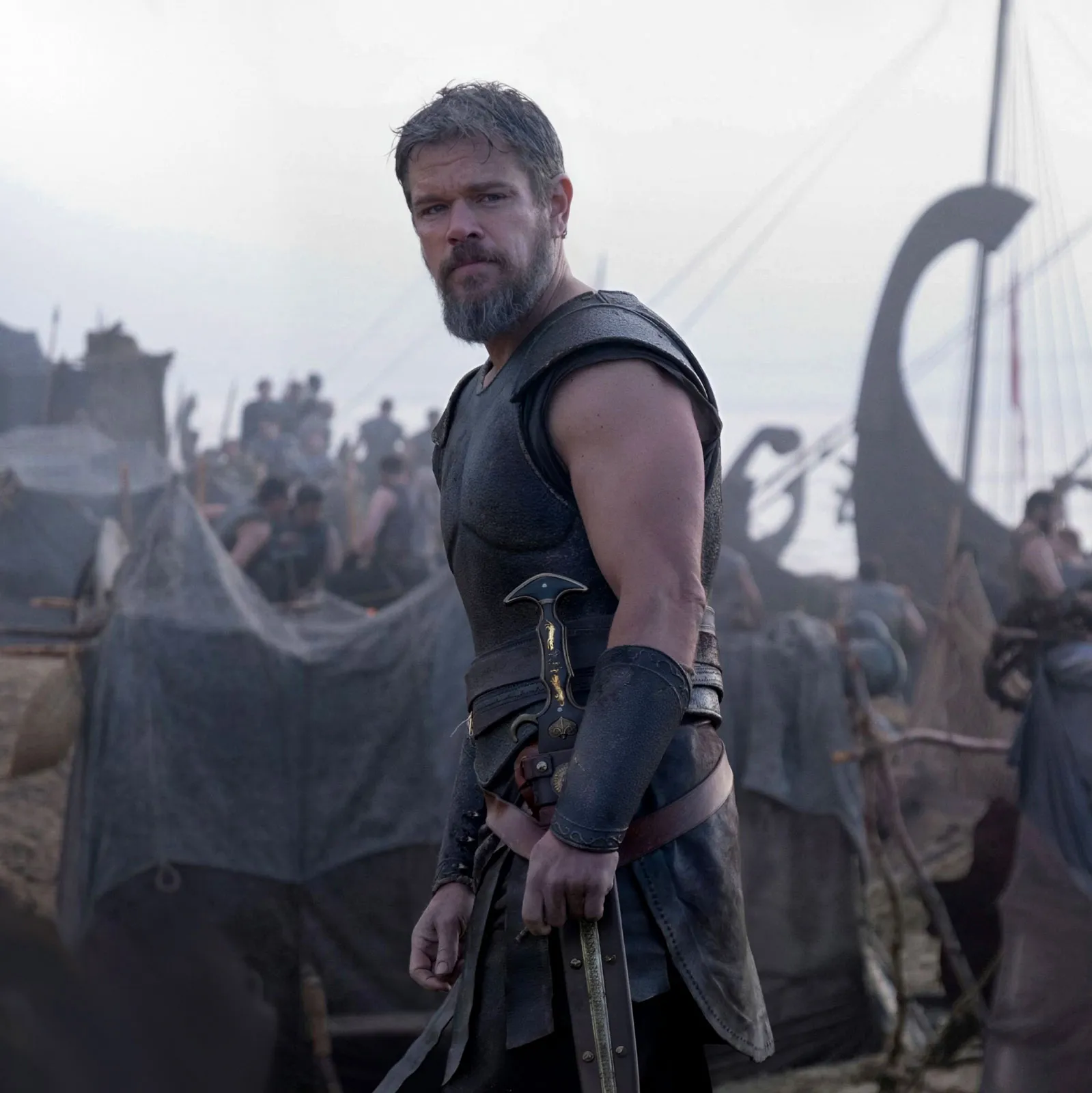
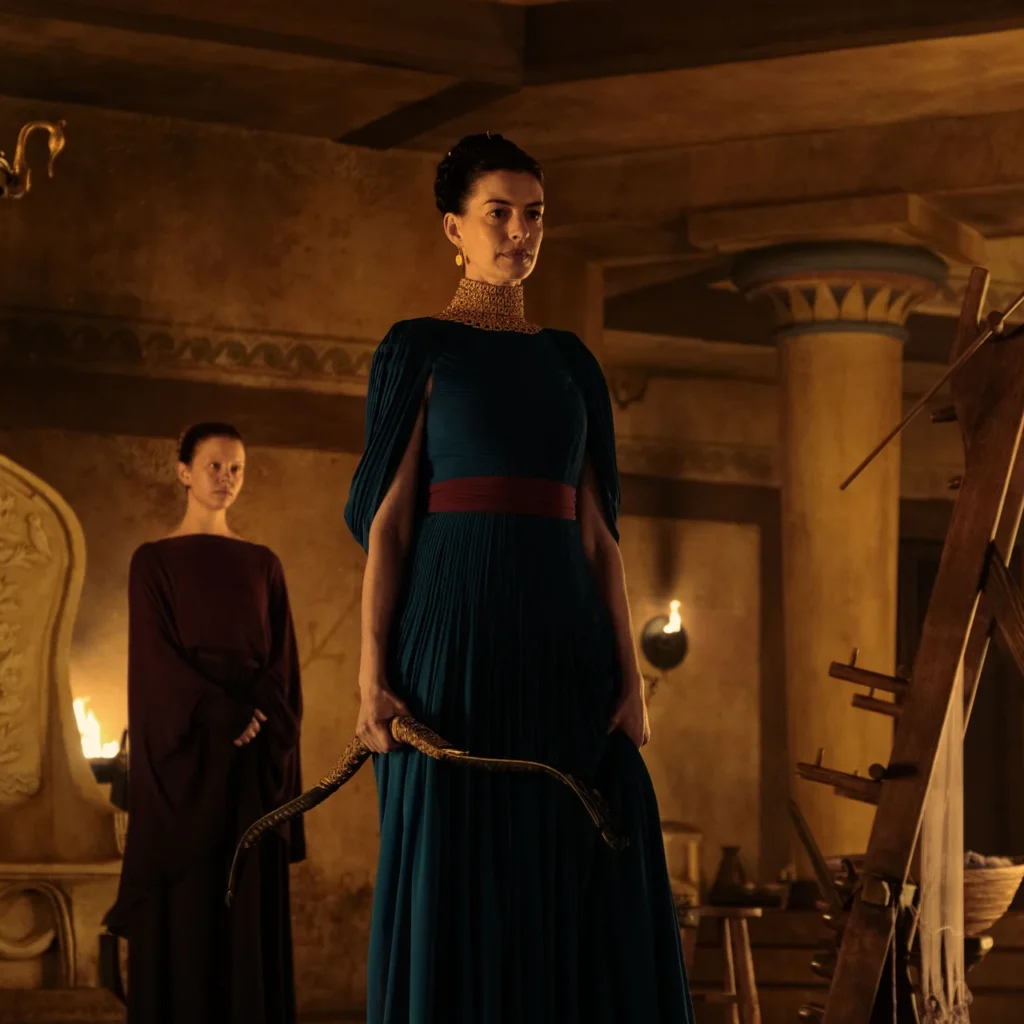
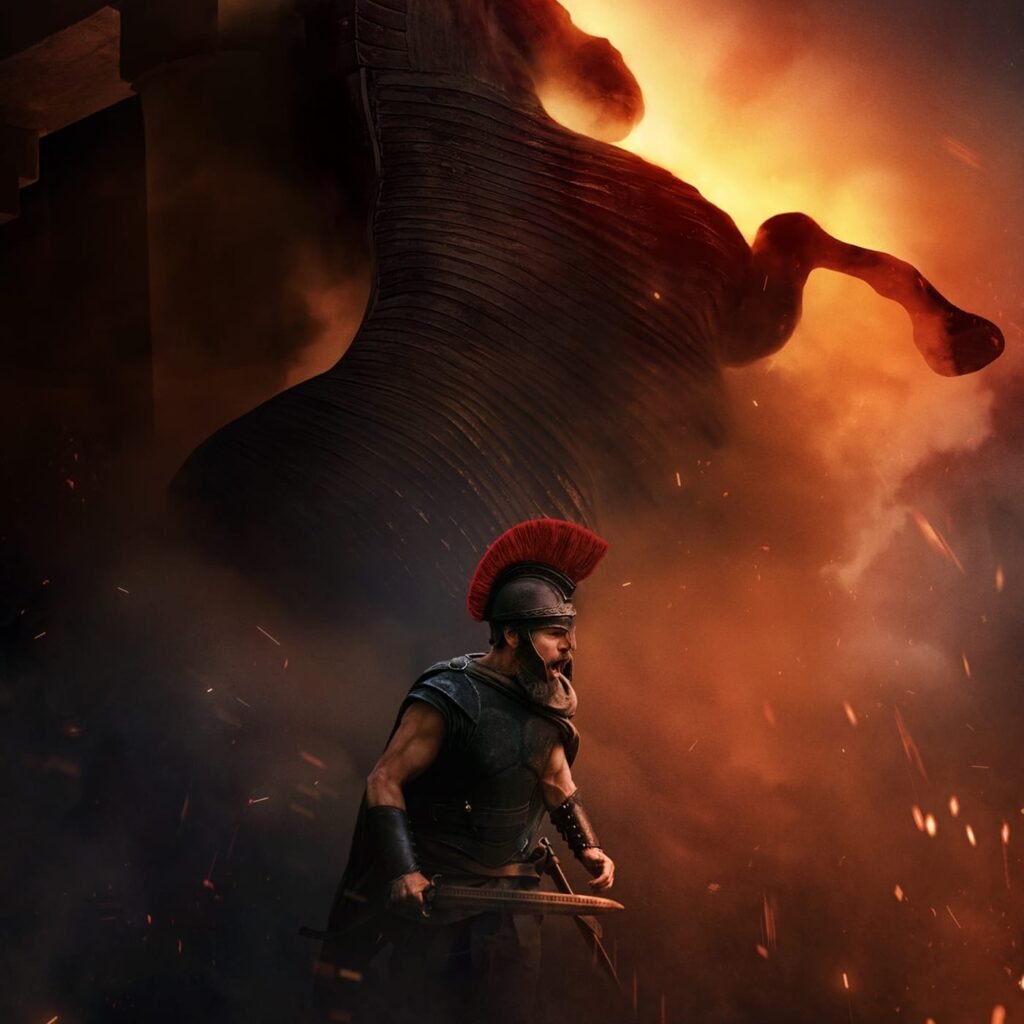
Christopher Nolan’s The Odyssey brings Homer’s legendary story of adventure, war and the search for home to the big screen. Starring Matt Damon as Odysseus, the film was shot entirely with IMAX film cameras and opens in cinemas on July 17, 2026.
This film adaptation of The Odyssey is not only a retelling of a classic story but also a reflection of the timeless themes that resonate with contemporary audiences. The Odyssey’s narrative structure, filled with trials and tribulations, mirrors the journeys many of us undertake in our own lives. As Odysseus navigates the challenges posed by gods and monsters, we are reminded of our personal battles and the resilience required to overcome them.
What Is The Odyssey About?
The film captures not just Odysseus’s external conflicts but also his internal struggles and growth as a character. This aspect is crucial, as it highlights the importance of self-discovery and understanding one’s identity, which are central to human experience.
Each stop on Odysseus’s journey can be viewed as a metaphor for the various stages of personal growth. From encounters with the Cyclops to the temptations of the Sirens, every challenge teaches him valuable lessons about courage, loyalty, and the importance of home.
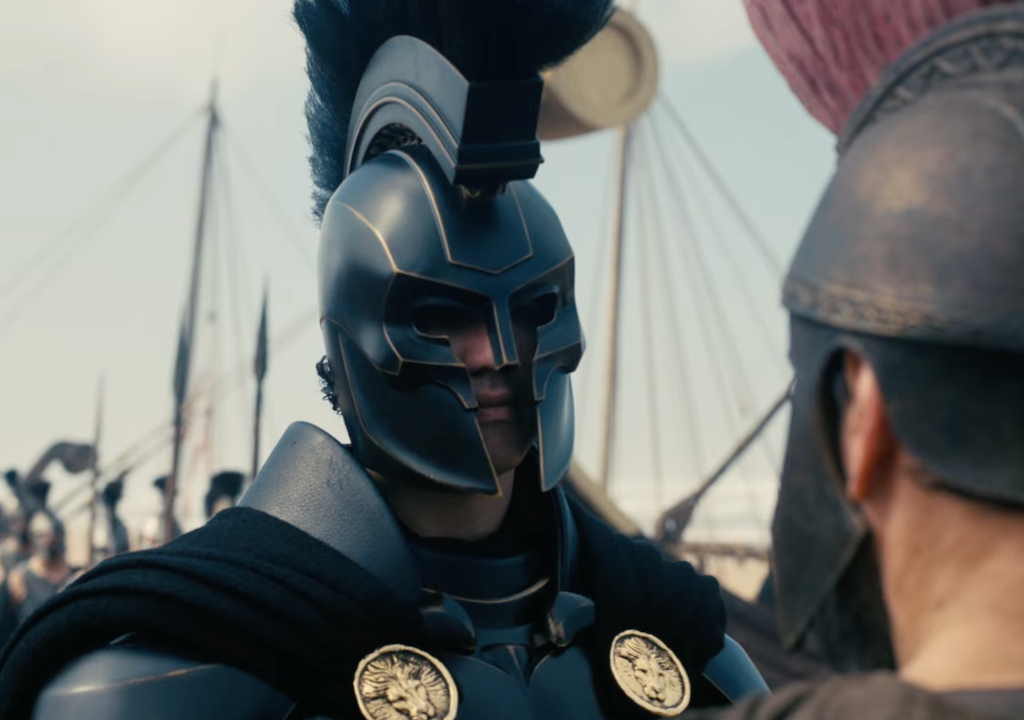
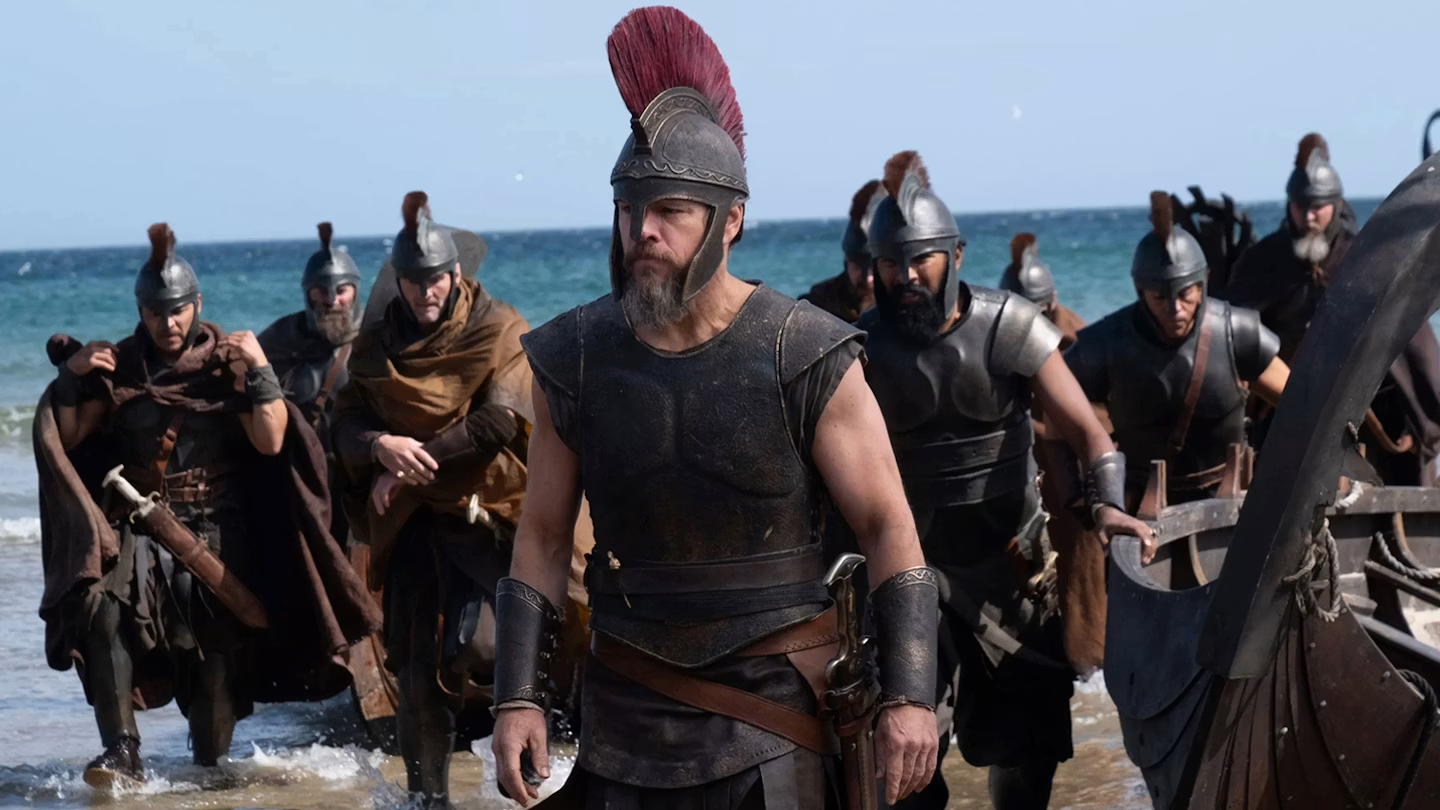
Based on the ancient Greek epic attributed to Homer, The Odyssey follows Odysseus, king of Ithaca, after the end of the Trojan War.
His journey home should be simple. Instead, it becomes a long struggle across dangerous seas, unfamiliar islands and mythical worlds. Along the way, he faces powerful enemies, supernatural creatures and the consequences of his own decisions.
Although the story is filled with battles and mythology, its central themes remain deeply human: family, loyalty, identity, survival and the desire to return home.
Where Was The Odyssey Filmed in Morocco?
Christopher Nolan’s production filmed in several Moroccan regions, including Marrakech, Tahanaout, Al Haouz, Essaouira, Ouarzazate and Aït Ben Haddou. Additional filming was later reported around Dakhla and its remarkable coastal desert landscapes.
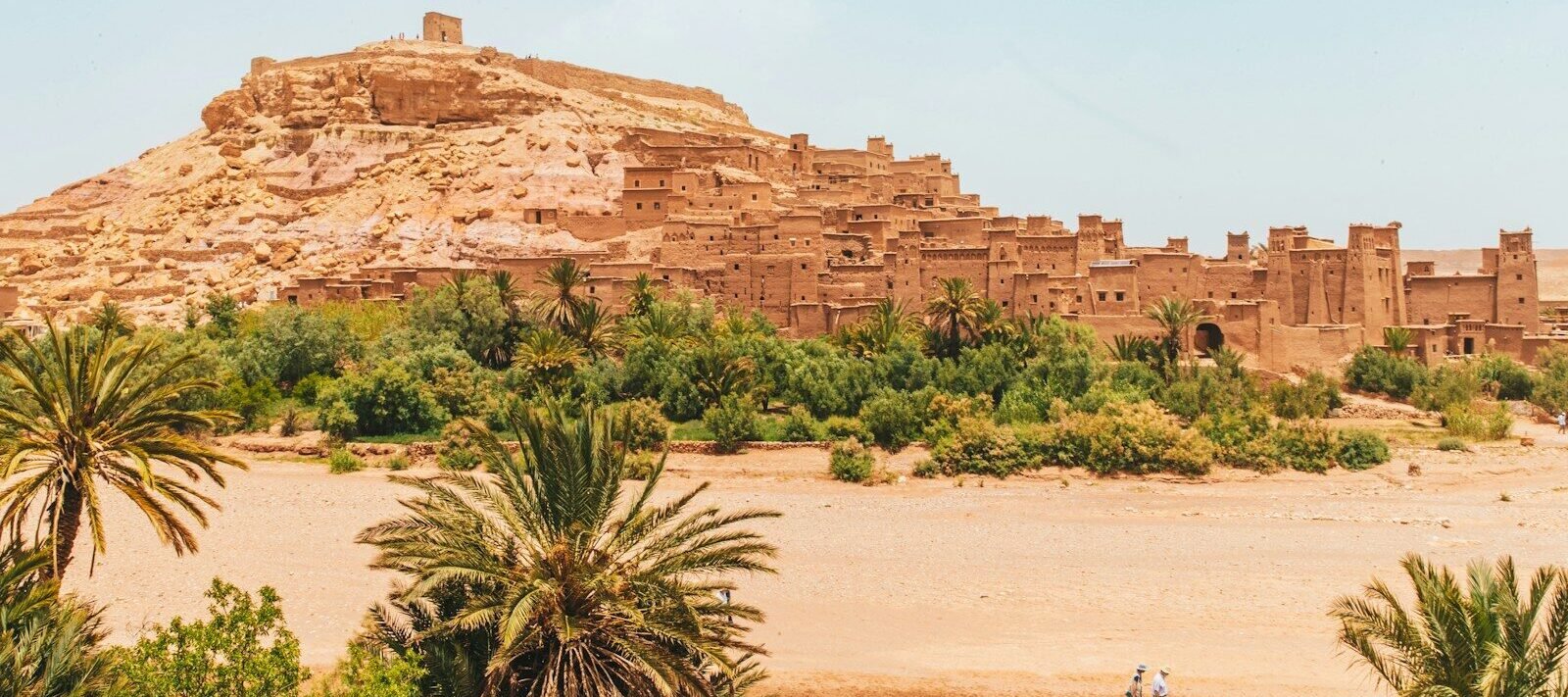
Aït Ben Haddou and Ouarzazate
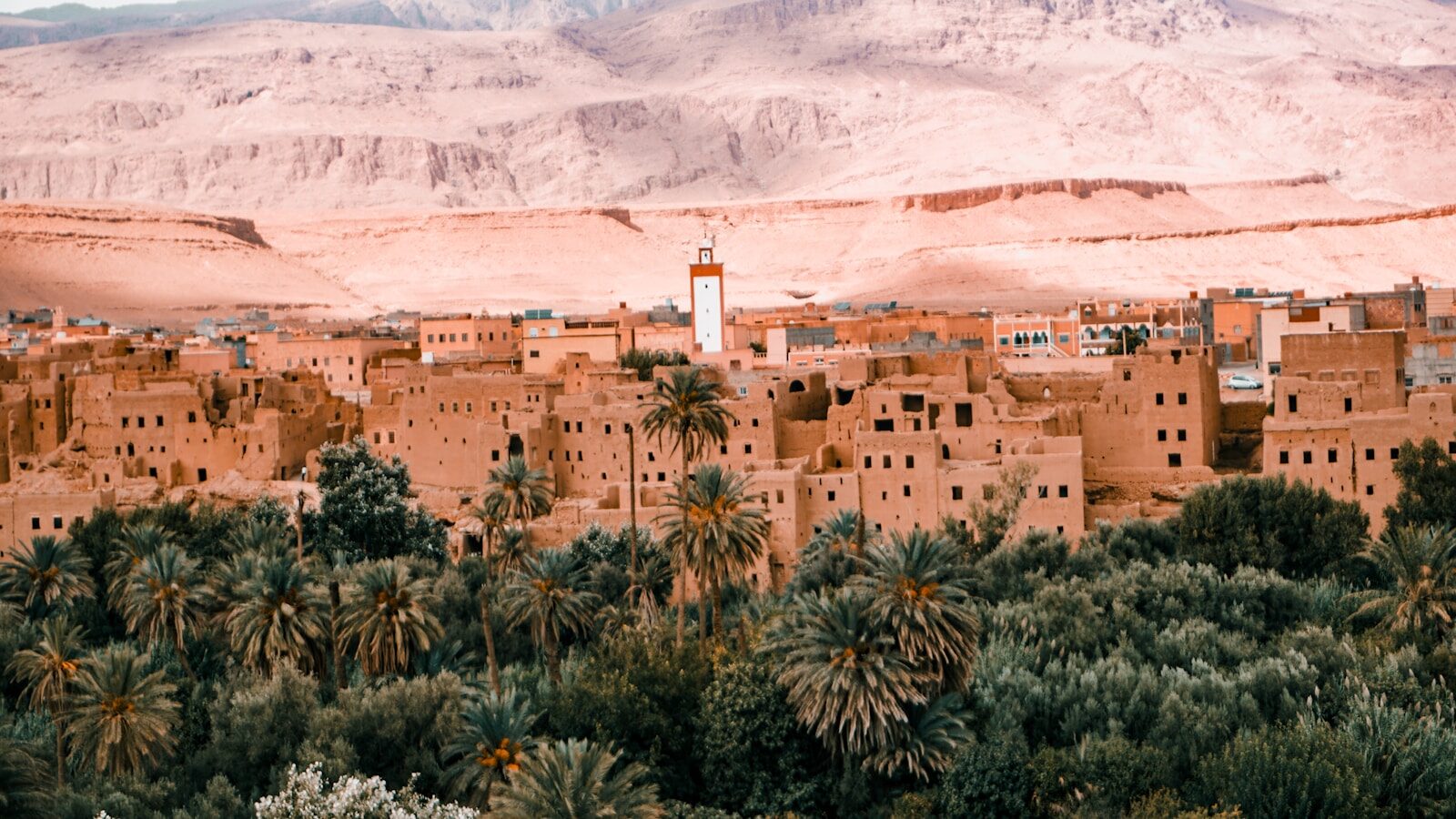
The historic ksar of Aït Ben Haddou, located near Ouarzazate, was reportedly used to represent the ancient city of Troy. Its earthen walls, fortified towers and surrounding desert terrain give the location a scale and authenticity that would be difficult to reproduce inside a studio.
These themes are reflected in the film’s visual storytelling, with breathtaking landscapes that serve as more than just a backdrop; they symbolize the vastness of Odysseus’s trials and the beauty of his ultimate destination.
Travelers can walk through the narrow passages of the ksar, climb toward its panoramic viewpoints and explore the same landscape that attracted Nolan and his production team.
A visit can also include Ouarzazate’s film studios, traditional kasbahs and the dramatic road through the High Atlas Mountains.
Dakhla
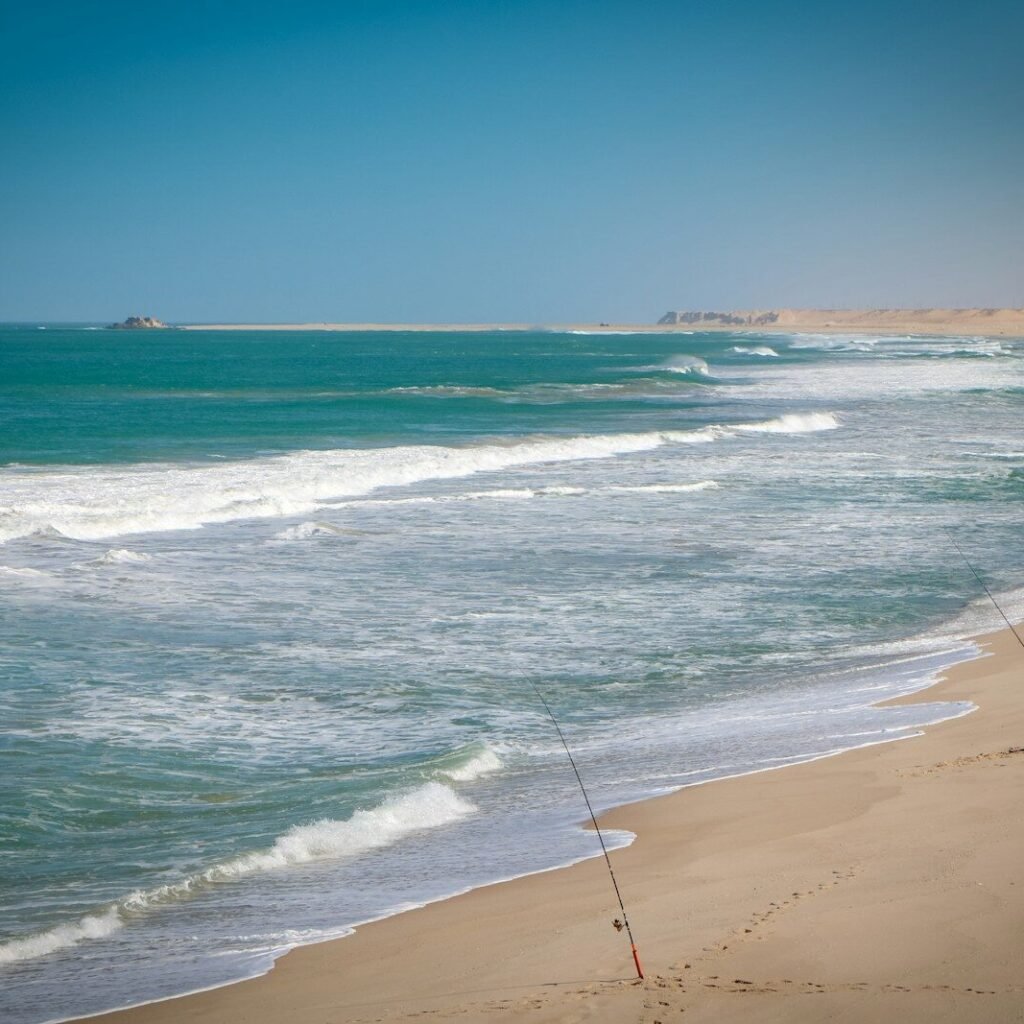
Production was also reported near Dakhla, where the Atlantic Ocean meets the Sahara.
The region’s lagoon, dunes, open horizons and unusual coastal formations offer a completely different atmosphere from the architecture of Aït Ben Haddou. These natural contrasts demonstrate how one country can represent several worlds within the same film.
Experience the Locations Beyond the Screen
A journey inspired by The Odyssey should be more than a collection of photo stops; it should be an immersive experience that connects you with the land and its stories. Each location tells a tale, and understanding the history and culture behind these sites enriches the visit.
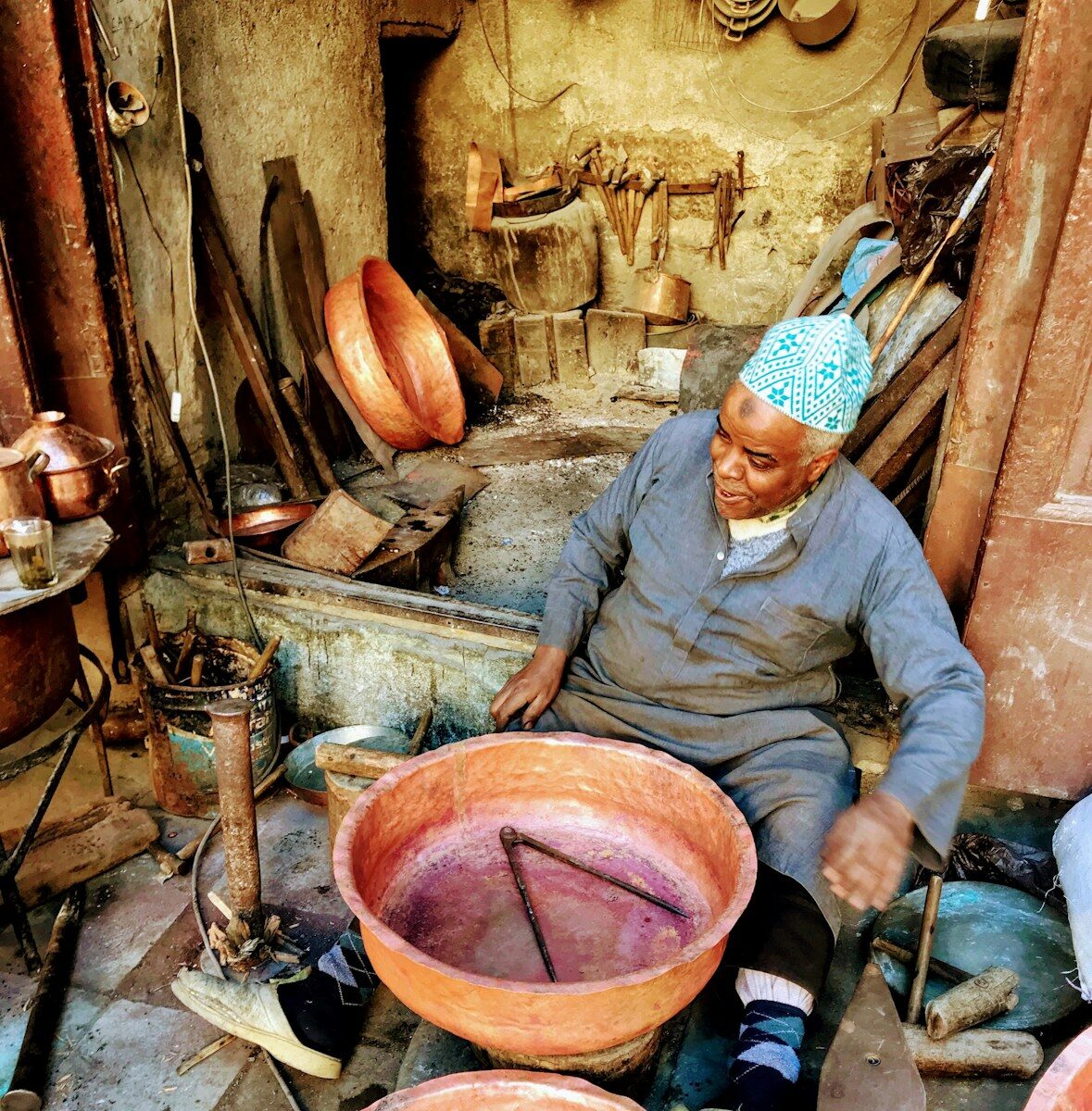
In Aït Ben Haddou, travelers can learn about traditional earthen architecture and the families connected to the ksar. In Ouarzazate, they can discover the work of Moroccan technicians, craftspeople and extras who have helped create international productions for decades.
The route can be combined with:
- A private journey across the High Atlas Mountains.
- A guided visit to Aït Ben Haddou.
- A tour of Ouarzazate’s film studios.
- Local meals in family-owned guesthouses.
- Photography during sunrise or golden hour.
- A desert extension toward the Drâa Valley or Sahara.
Create Your Own Moroccan Odyssey
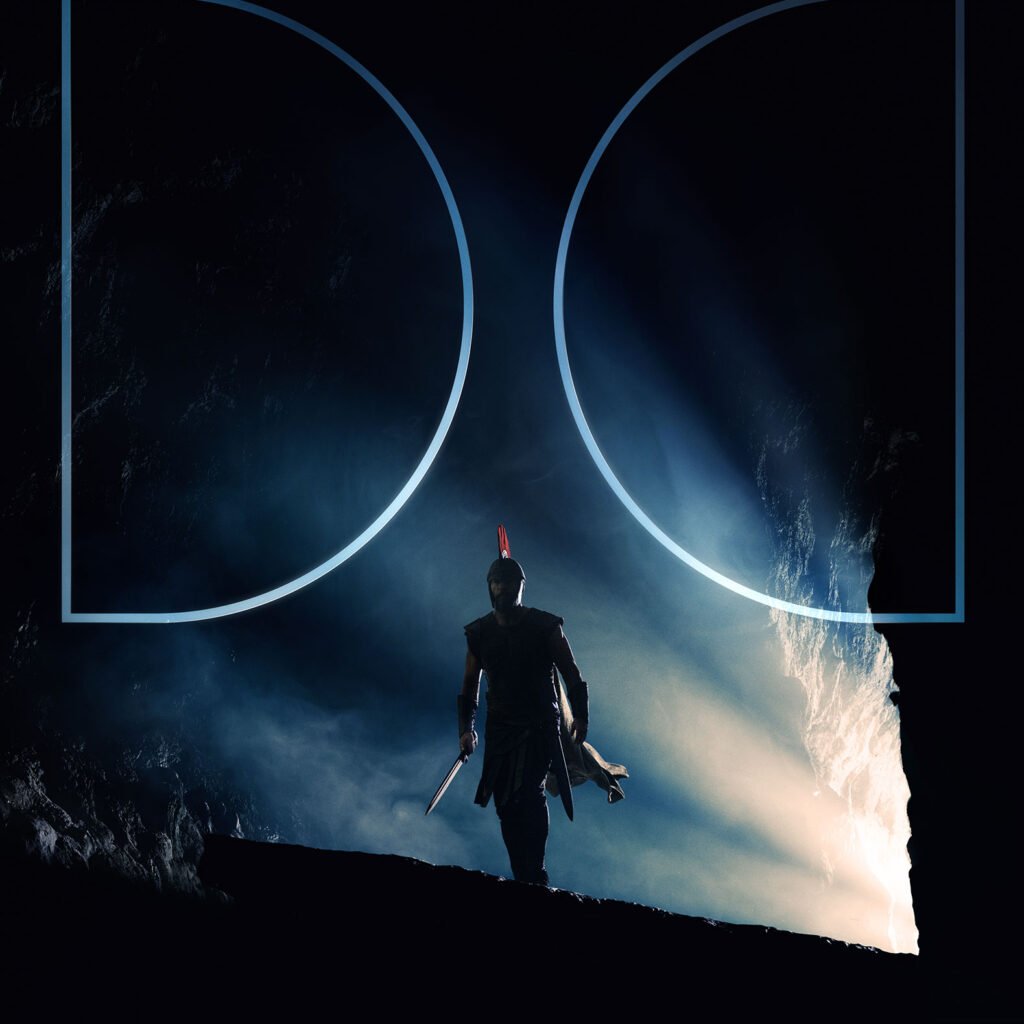
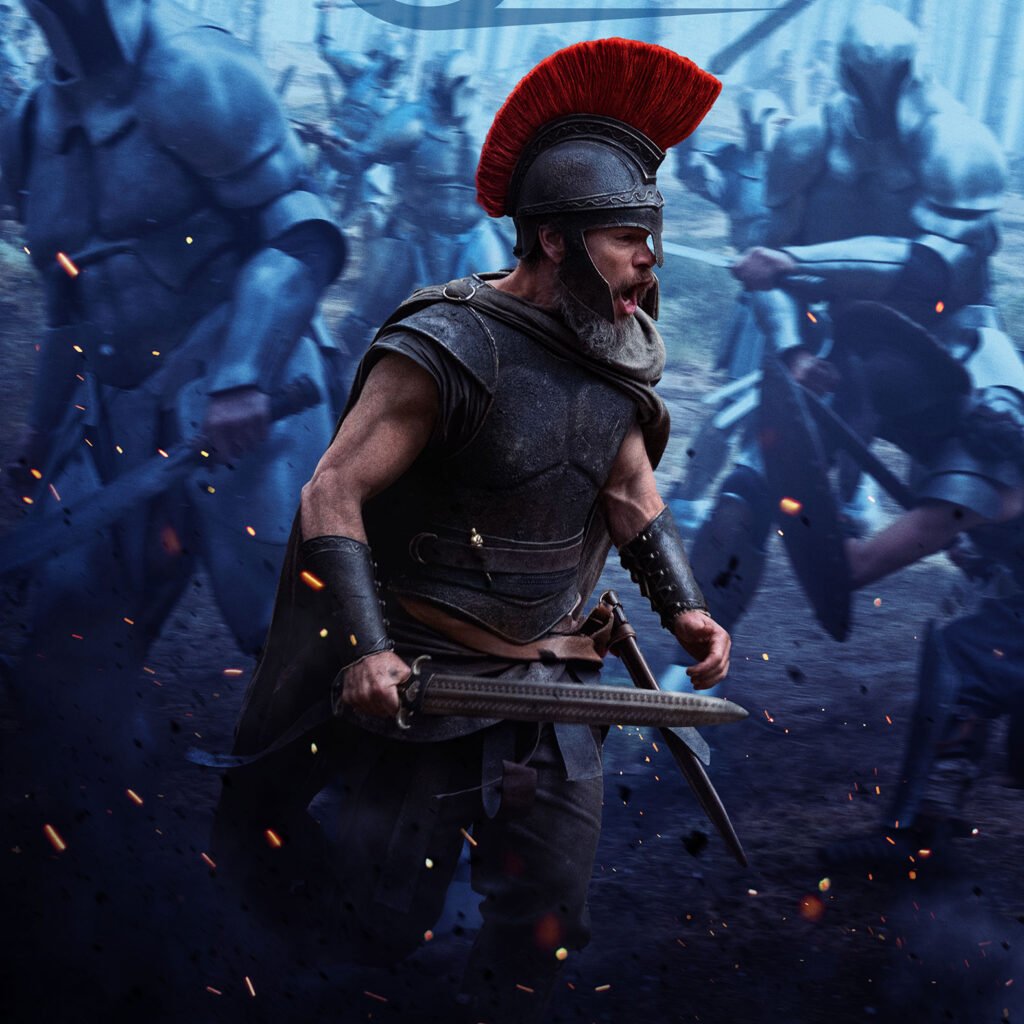
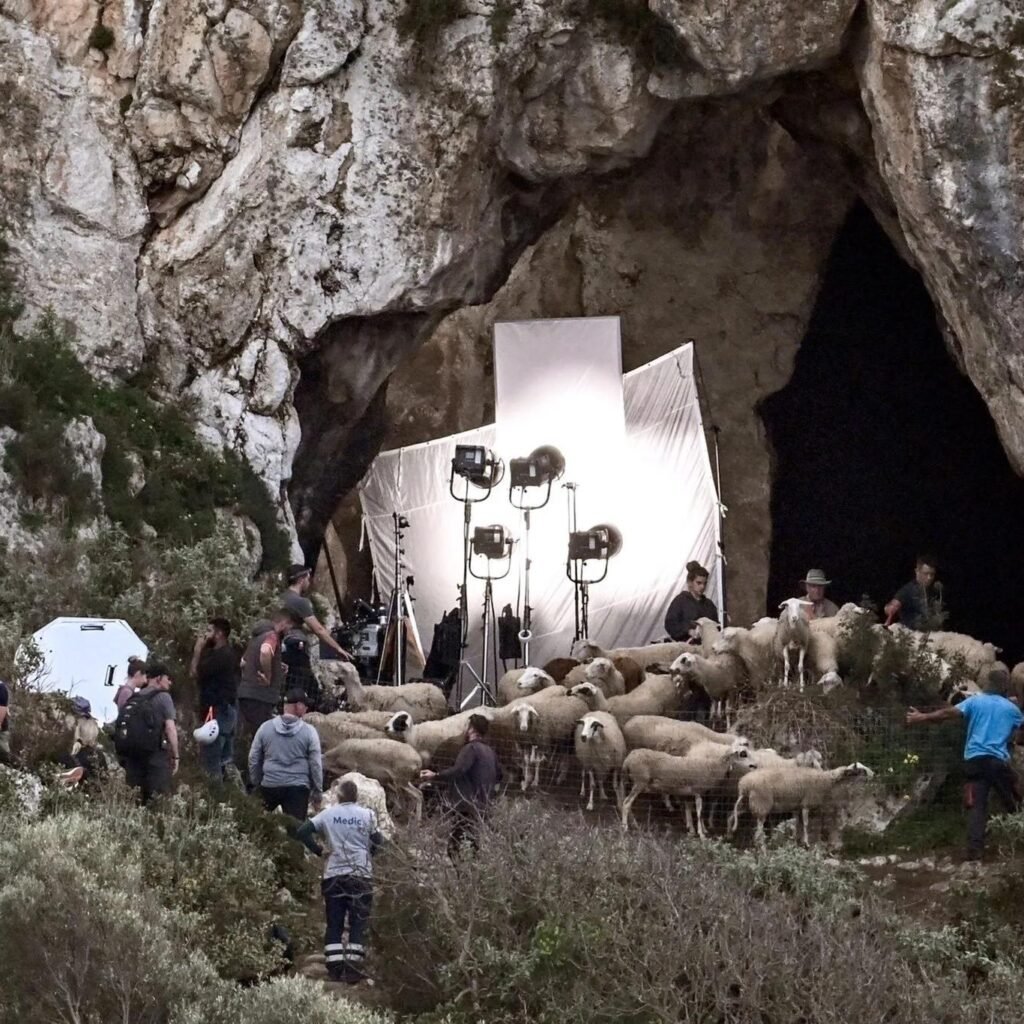
Morocco did not simply provide a background for Nolan’s film. Its architecture, landscapes, light and filmmaking knowledge helped transform an ancient story into a physical cinematic world.
With Hayya Morocco, travelers can explore these locations through a private itinerary combining cinema, Moroccan culture, photography, nature and authentic local encounters.
The film may begin with Odysseus’s journey, but your own Moroccan odyssey begins in the High Atlas.
In Aït Ben Haddou, for example, you can engage in workshops that showcase traditional crafts, allowing travelers to understand the techniques passed down through generations. This hands-on experience deepens appreciation for the artistry involved in Moroccan culture.
Further, the route can be enriched by stories from local guides who share anecdotes about past film productions and the impact of cinema on the region. These narratives add a layer of authenticity to the experience, creating a bridge between the historic past of the ksar and its cinematic future.
Additionally, organizing a photography tour during sunrise or the golden hour can provide breathtaking opportunities to capture the stunning landscapes that Nolan intended to showcase in his film. The different lighting conditions dramatically alter the appearance of the terrain, offering unique perspectives.
Exploring the Drâa Valley or the Sahara during a desert extension can also evoke the feeling of Odysseus’s own journey through desolation and beauty. The vast dunes juxtaposed with lush oases provide a visual feast that evokes the film’s epic nature.
As travelers embark on their own Moroccan odyssey, they may find parallels between their adventures and Odysseus’s trials, enriching their understanding of both the film and the landscapes that inspired it.
Ultimately, The Odyssey is more than just a cinematic achievement; it is a catalyst for exploring the rich history and culture of Morocco. The blending of storytelling and real-world experiences invites audiences to reflect not only on the narrative of Odysseus but also on their journeys through life.