Introduction to Moroccan Medinas
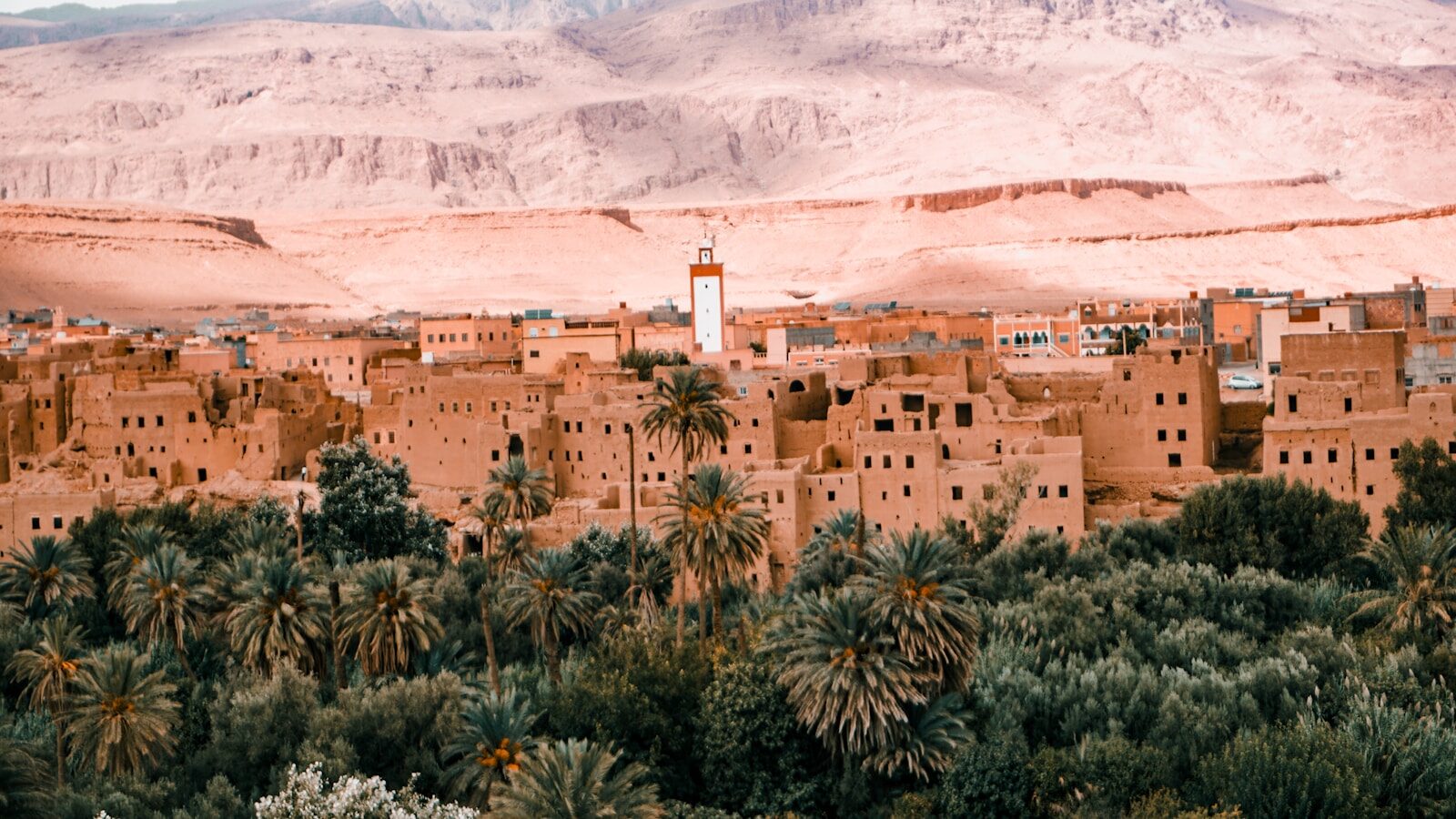
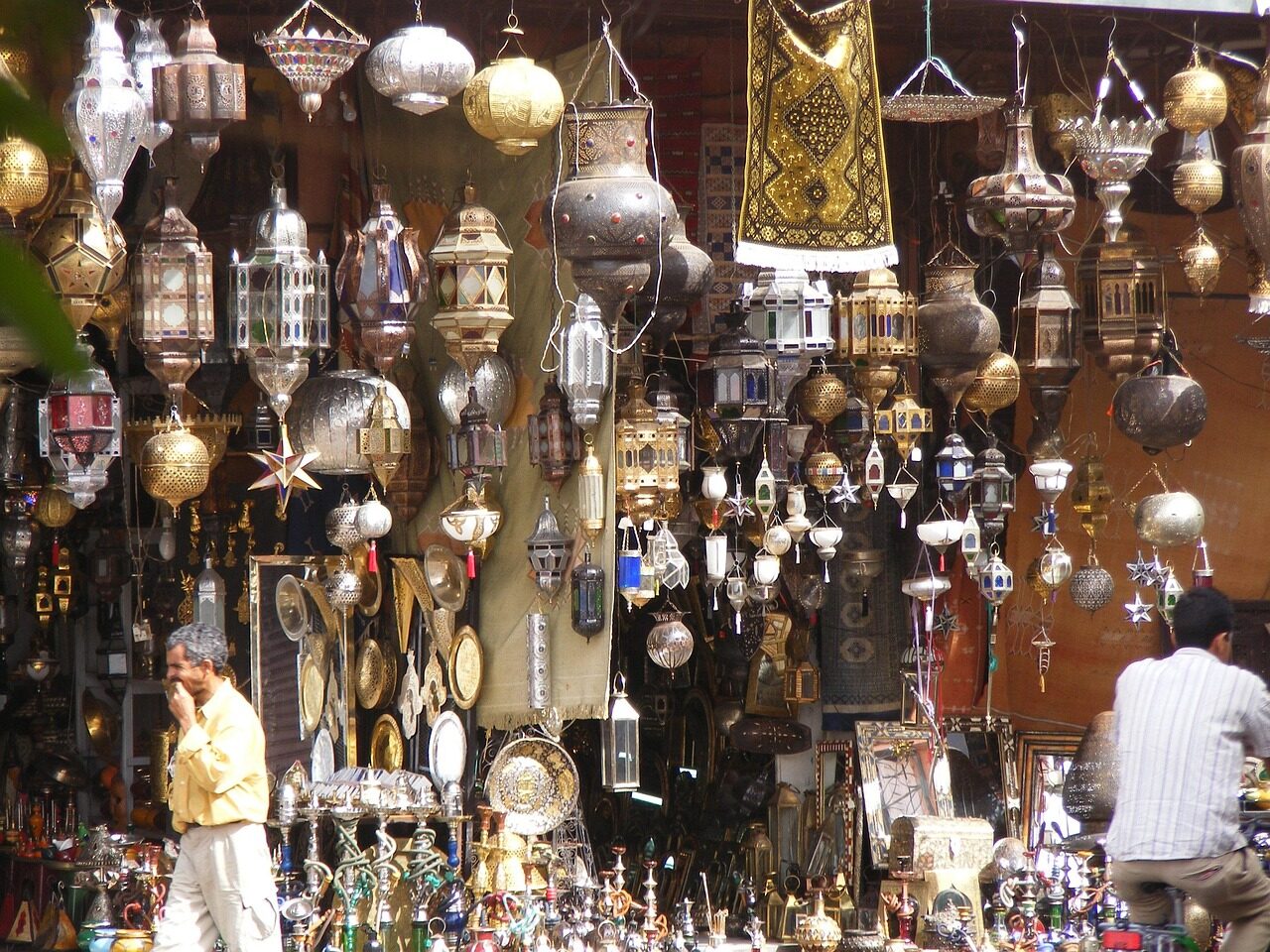
Moroccan medinas are ancient, walled cities that have been the heartbeat of Morocco’s culture, history, and economy for centuries. These traditional cities, with their narrow alleys, bustling souks (markets), and stunning architecture, are a testament to the country’s rich cultural heritage. The preservation of Moroccan medinas is crucial not only for maintaining the country’s identity but also for promoting tourism, economic growth, and community development.
History and Significance of Medinas
The history of Moroccan medinas dates back to the 8th century when the Idrisid dynasty founded the city of Fez, which became the capital of Morocco. Over time, other medinas were established in cities like Marrakech, Meknes, and Rabat, each with its unique character and architectural style. These cities were not only commercial and administrative centers but also centers of learning, art, and culture, attracting scholars, artists, and craftsmen from all over the Islamic world.
Challenges Facing Medina Preservation
Despite their historical and cultural significance, Moroccan medinas are facing numerous challenges that threaten their preservation. These challenges include overcrowding, poverty, lack of infrastructure, and the impact of modernization and urbanization. Many medinas are struggling with inadequate housing, poor sanitation, and limited access to basic services like healthcare and education. Additionally, the influx of tourists and the growth of the tourism industry have put pressure on these historic cities, leading to concerns about gentrification and the loss of traditional ways of life.
- Overcrowding and poverty: Many medinas are densely populated, with narrow streets and alleys that are often poorly maintained. This has led to issues with sanitation, housing, and access to basic services.
- Lack of infrastructure: Medinas often lack modern infrastructure, including roads, public transportation, and utilities like water and electricity.
- Modernization and urbanization: The growth of modern cities and the expansion of urban areas have led to the destruction of historic buildings and the loss of traditional architecture.
Preservation Efforts
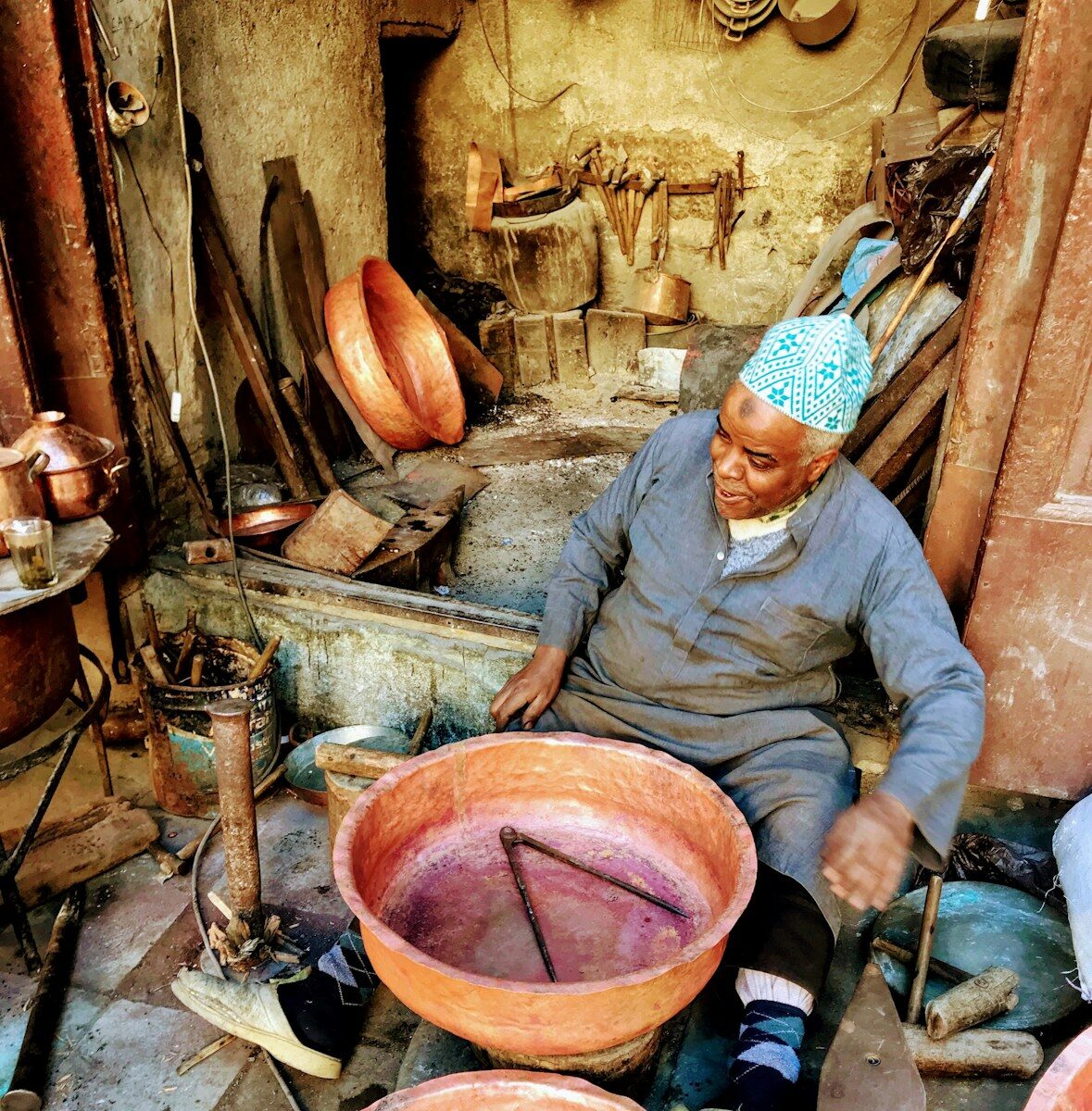
To address these challenges, the Moroccan government, along with international organizations and local communities, has launched several initiatives to preserve and restore the country’s medinas. These efforts include the restoration of historic buildings, the improvement of infrastructure, and the promotion of sustainable tourism practices. Additionally, there are initiatives to support local artisans and craftsmen, preserve traditional industries, and promote cultural heritage.
One notable example is the restoration of the medina of Fez, which was recognized as a UNESCO World Heritage site in 1981. The project involved the restoration of historic buildings, the improvement of infrastructure, and the promotion of sustainable tourism practices. Similar initiatives are underway in other medinas, including Marrakech and Meknes.
Community Engagement and Participation
Community engagement and participation are crucial for the preservation of Moroccan medinas. Local communities have a deep understanding of the history, culture, and traditions of these cities, and their involvement is essential for ensuring that preservation efforts are sensitive to their needs and concerns. This includes supporting local artisans and craftsmen, preserving traditional industries, and promoting cultural heritage.
Additionally, community-led initiatives have been successful in promoting sustainable tourism practices, reducing waste and pollution, and improving the overall quality of life in medinas. These initiatives have not only helped to preserve the cultural heritage of these cities but also contributed to their economic development and social well-being.
Conclusion
The preservation of Moroccan medinas is a complex and multifaceted issue that requires the involvement of government agencies, international organizations, local communities, and individuals. While there are challenges to be addressed, there are also opportunities for growth, development, and cultural exchange. By supporting preservation efforts and promoting sustainable tourism practices, we can help to ensure the long-term viability of these historic cities and the rich cultural heritage they represent.
More Moroccan Culture & Heritage
Frequently Asked Questions About Moroccan Medina Preservation
Why are Moroccan medinas important?
Moroccan medinas are living historic cities that represent centuries of urban planning, craftsmanship, and cultural exchange. Several are UNESCO World Heritage sites, including the medinas of Fez (the world’s largest car-free urban area), Marrakech, Meknes, Essaouira, Tetouan, and Rabat. They house irreplaceable examples of Islamic architecture, traditional crafts, and community life that continue to evolve while maintaining their historical character.
How are Moroccan medinas being preserved?
Morocco has implemented several preservation programs including the Ader-Fes agency (dedicated to Fez medina restoration), UNESCO-supported conservation projects, the Moroccan Ministry of Culture’s heritage protection laws, and public-private partnerships for riad restoration. International organizations including the World Monuments Fund and the Aga Khan Trust for Culture also support preservation efforts across multiple medinas.
Can tourists help support medina preservation?
Tourists can support medina preservation by staying in restored riads (which fund ongoing maintenance), purchasing authentic crafts directly from artisans in the medina (supporting traditional livelihoods), visiting heritage sites and museums (entry fees fund conservation), choosing responsible tour operators, and respecting local customs and architecture. Avoiding damage to historic structures and not removing original elements are simple but important contributions.