UNESCO Intangible Heritage in Morocco
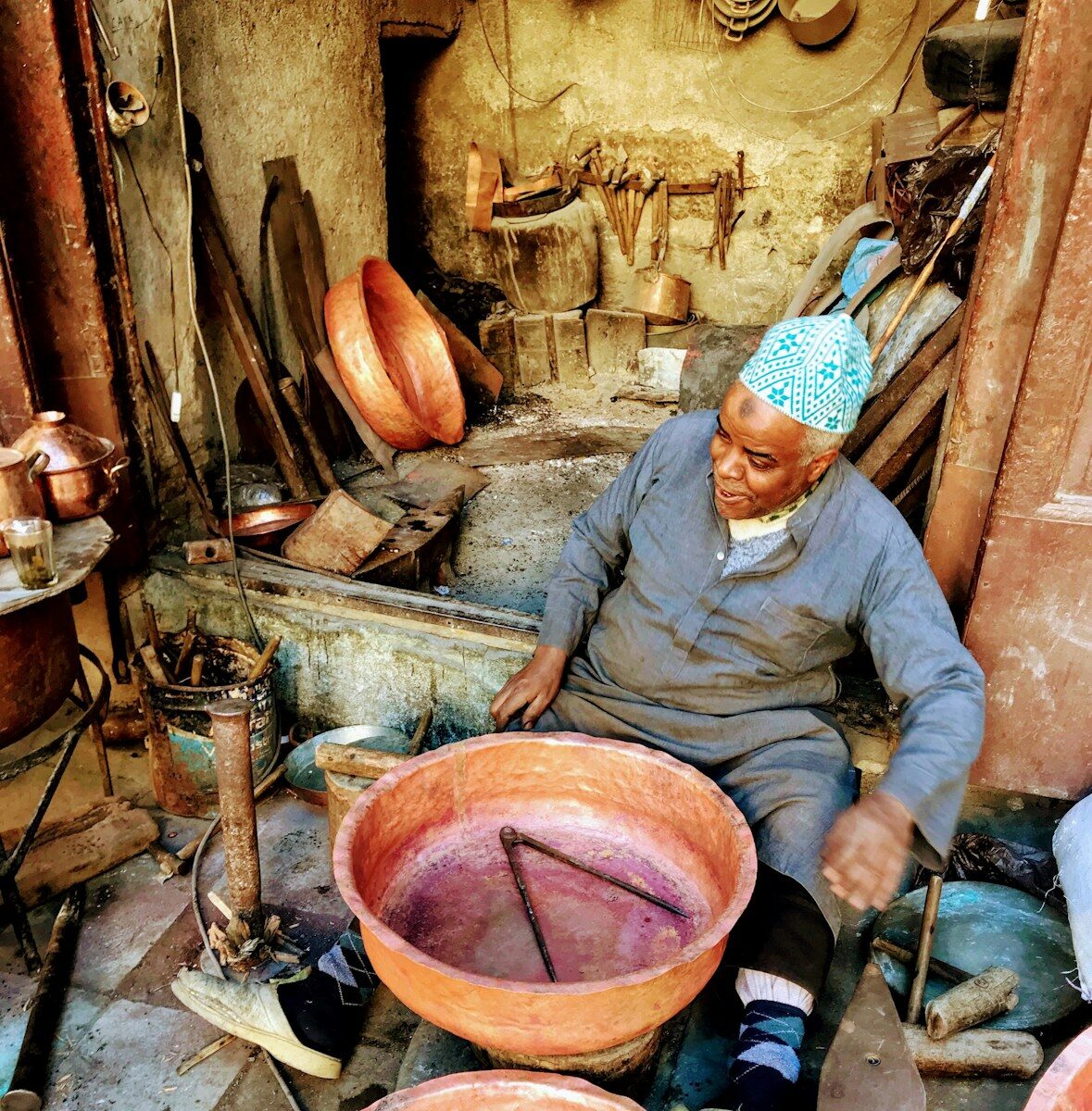
Morocco is a country with a rich and diverse cultural heritage, and its intangible cultural heritage is no exception. The United Nations Educational, Scientific and Cultural Organization (UNESCO) has recognized several elements of Moroccan intangible cultural heritage, including music, dance, crafts, and social practices. These elements are an essential part of Moroccan identity and play a significant role in the country’s cultural landscape.UNESCO-Recognized Intangible Heritage in Morocco
Some of the UNESCO-recognized intangible heritage elements in Morocco include the Andalusian music of Al-âla, the argan oil production, and the craft of zellij tile-making. The Andalusian music of Al-âla is a unique and complex form of music that originated in the Andalus region of Spain and was brought to Morocco by Muslim refugees in the 15th century. The argan oil production is a traditional practice that involves the extraction of oil from the argan tree, which is native to Morocco. The craft of zellij tile-making is a traditional craft that involves the creation of intricate and colorful tiles using small pieces of glazed clay.Importance of Intangible Heritage in Morocco
The intangible cultural heritage of Morocco is essential to the country’s cultural identity and plays a significant role in promoting cultural diversity and creativity. It also contributes to the country’s economic development, particularly in the tourism sector, as visitors from around the world come to experience Morocco’s rich cultural heritage. Moreover, the intangible cultural heritage of Morocco is a vital part of the country’s history and traditions, and its preservation is crucial for future generations.- The Andalusian music of Al-âla is performed during special occasions such as weddings and festivals.
- The argan oil production is not only a source of income for many Moroccans but also an important part of the country’s traditional medicine.
- The craft of zellij tile-making is used to decorate mosques, palaces, and other buildings, and is considered an essential part of Moroccan architecture.
Challenges Facing Intangible Heritage in Morocco
Despite the importance of intangible cultural heritage in Morocco, it faces several challenges, including the impact of globalization and urbanization, which can lead to the erosion of traditional practices and the loss of cultural diversity. Additionally, the lack of documentation and preservation of intangible cultural heritage elements can make it difficult to pass them on to future generations. Furthermore, the commercialization of intangible cultural heritage can lead to the exploitation of traditional practices and the loss of their cultural significance.Efforts to Preserve Intangible Heritage in Morocco
The Moroccan government has made efforts to preserve the country’s intangible cultural heritage, including the establishment of the Ministry of Culture and the creation of programs to support the preservation of traditional practices. Additionally, many NGOs and community organizations are working to promote and preserve Morocco’s intangible cultural heritage, including the creation of cultural festivals and events, and the documentation of traditional practices. The international community has also played a role in the preservation of Morocco’s intangible cultural heritage, including the recognition of several elements by UNESCO. In conclusion, the intangible cultural heritage of Morocco is a vital part of the country’s cultural identity and plays a significant role in promoting cultural diversity and creativity. However, it faces several challenges, including the impact of globalization and urbanization, and the lack of documentation and preservation. Efforts to preserve Morocco’s intangible cultural heritage are essential to ensure its continuation for future generations. Morocco’s intangible cultural heritage is a rich and diverse treasure that reflects the country’s history, traditions, and cultural identity. The recognition of several elements by UNESCO is a testament to the importance of preserving this heritage, not only for Morocco but also for the world. As we move forward, it is essential to continue efforts to preserve and promote Morocco’s intangible cultural heritage, including the support of traditional practices, the documentation of cultural elements, and the promotion of cultural diversity and creativity.More Moroccan Culture & Heritage
Frequently Asked Questions About UNESCO Heritage in Morocco
How many UNESCO World Heritage Sites are in Morocco?
Morocco has 9 UNESCO World Heritage Sites, including the Medina of Fes (inscribed in 1981), the Ksar of Ait-Ben-Haddou (1987), the Historic City of Meknes (1996), the Medina of Marrakech (1985), and the Archaeological Site of Volubilis (1997). Morocco also has 13 elements inscribed on the UNESCO Intangible Cultural Heritage list, including the cultural space of Jemaa el-Fna and Gnawa music.
Can you visit UNESCO sites in Morocco independently?
Yes, most UNESCO World Heritage Sites in Morocco are accessible to independent travelers. Medinas like Fes and Marrakech are best explored with a local guide who can navigate the intricate alleyways and share historical context. Sites like Volubilis and Ait-Ben-Haddou are easily reached by car or organized tour from nearby cities. Entrance fees are typically between 10-70 MAD per person.
What is the most visited UNESCO site in Morocco?
The Medina of Marrakech is the most visited UNESCO World Heritage Site in Morocco, attracting millions of visitors annually. Its famous landmarks include the Koutoubia Mosque, Bahia Palace, Saadian Tombs, and the Jemaa el-Fna square — itself recognized by UNESCO for its intangible cultural heritage as a gathering place for storytellers, musicians, and artisans.