Best Time to Visit Morocco: The Ultimate Guide to Choosing the Perfect Season
Morocco is an extraordinary destination where vast deserts, majestic mountains, imperial cities, and endless Atlantic beaches converge into one unforgettable travel experience. Determining the best time to visit Morocco requires a precise understanding of the country’s diverse climate, regional variations, and travel goals. Weather conditions differ significantly between the coast, inland cities, the desert, and mountainous areas. Below, we present a comprehensive seasonal breakdown to help you choose the ideal time for your journey.
Spring (March to May): The Most Balanced Season to Visit Morocco


4
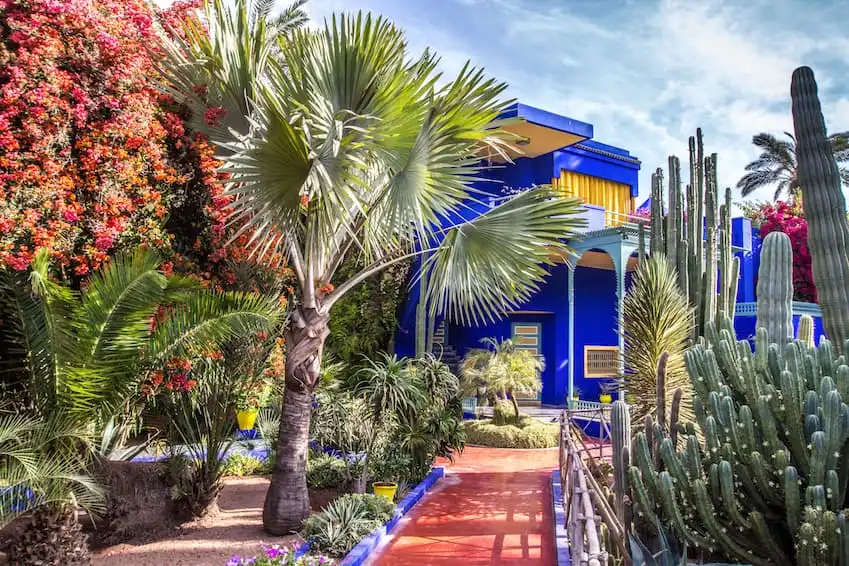
Spring is widely considered the best time to visit Morocco. Temperatures are comfortably mild, ranging between 68°F and 82°F (20°C–28°C) depending on the region. Landscapes become lush and vibrant, particularly in valleys and mountainous areas.
Why Choose Spring?
- Pleasant and sunny weather
- Blooming flowers and green scenery
- Ideal conditions for excursions and sightseeing
- Moderate tourist crowds
The Atlas Mountains are particularly stunning during spring, offering accessible hiking trails and breathtaking panoramic views. In Marrakech, gardens and historical sites can be explored comfortably without the extreme summer heat.
The Sahara also becomes more hospitable during this season, making desert camps and camel treks significantly more enjoyable.
Seasonal verdict: If you are looking for the perfect balance between climate, comfort, and activities, spring stands out as the optimal choice.
Summer (June to August): Intense Sunshine and Atlantic Coast Escapes

4
Moroccan summers can be extremely hot inland, with temperatures frequently exceeding 104°F (40°C) in desert and imperial regions.
Where to Travel in Morocco During Summer?
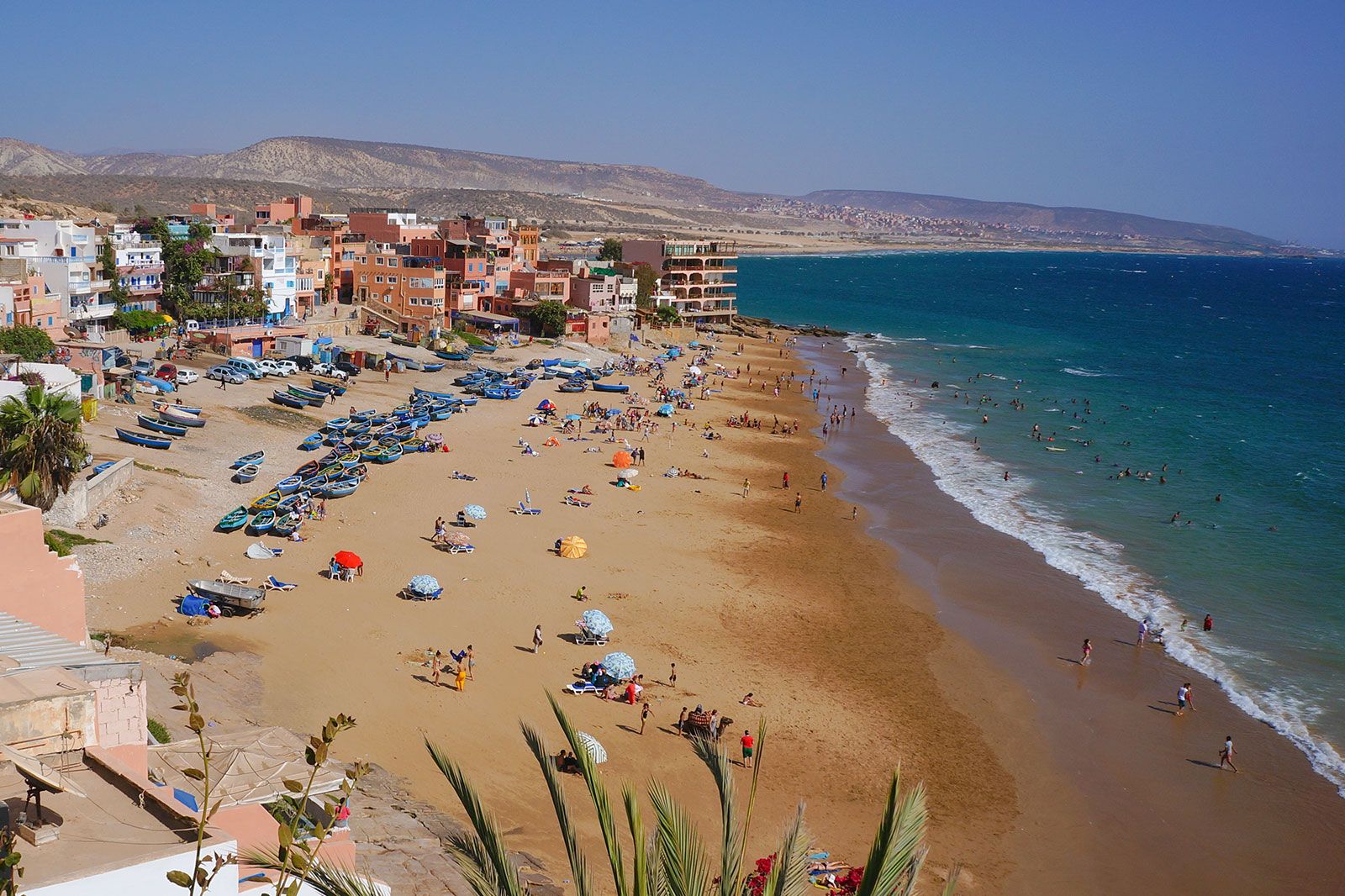
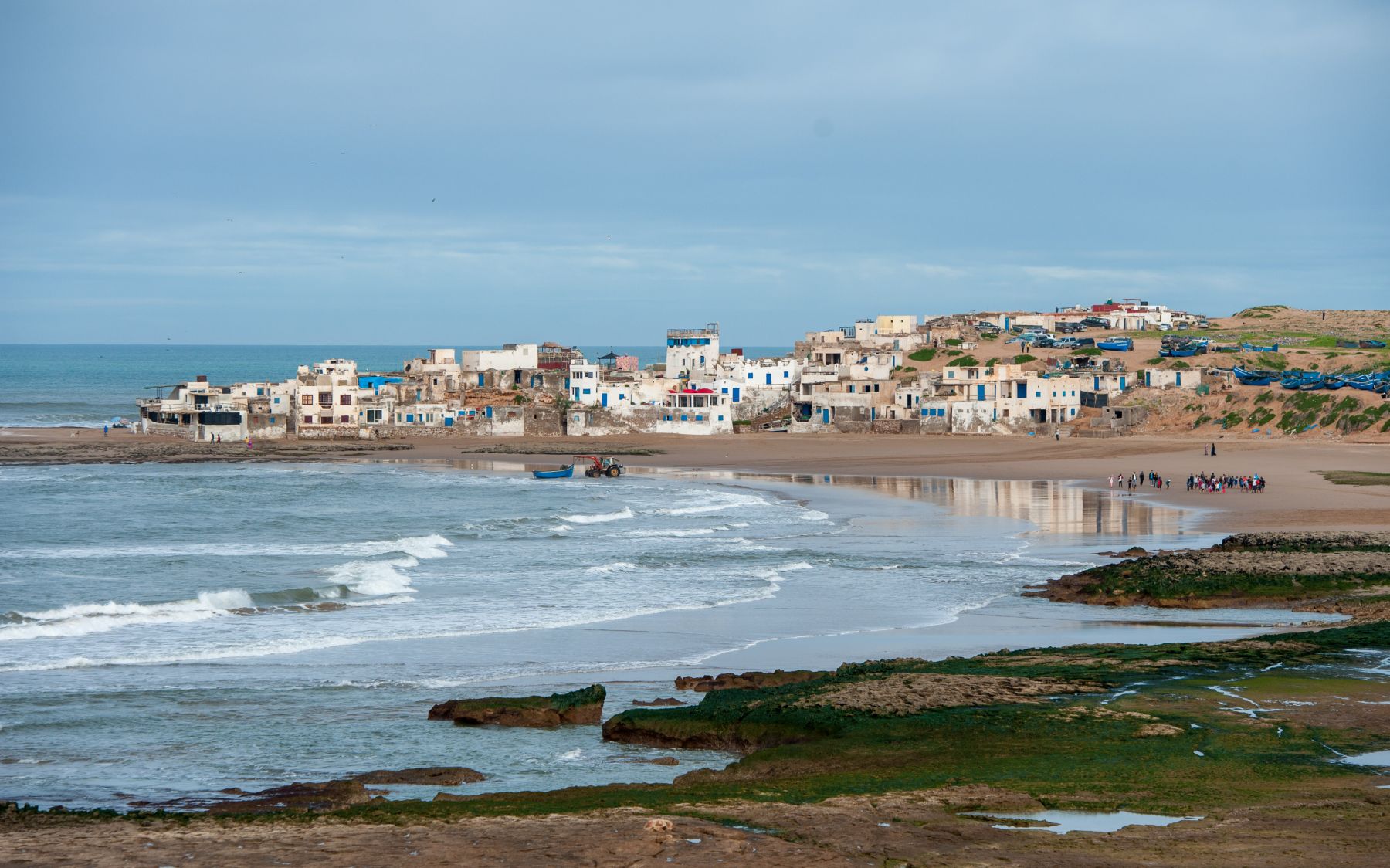
Coastal areas benefit from cooling ocean breezes:
- Essaouira – Known for its refreshing Atlantic winds
- Agadir – A modern seaside resort city
- Casablanca – Urban energy combined with maritime charm
Mountain regions also offer more tolerable temperatures due to higher altitudes. Photographers often appreciate the powerful summer light that enhances landscapes and architectural contrasts.
However, extended cultural tours in inland cities can be challenging due to the heat.
Seasonal verdict: Summer is ideal for beach holidays and mountain retreats but less suitable for desert exploration or prolonged city sightseeing.
Autumn (September to November): The Ideal Season for Desert Exploration


4
Autumn rivals spring as the best time to visit Morocco. Temperatures gradually decrease, creating stable and comfortable travel conditions.
Advantages of Visiting in Autumn
- Moderate temperatures
- Comfortable desert excursions
- Golden light perfect for photography
- Fewer crowds compared to summer
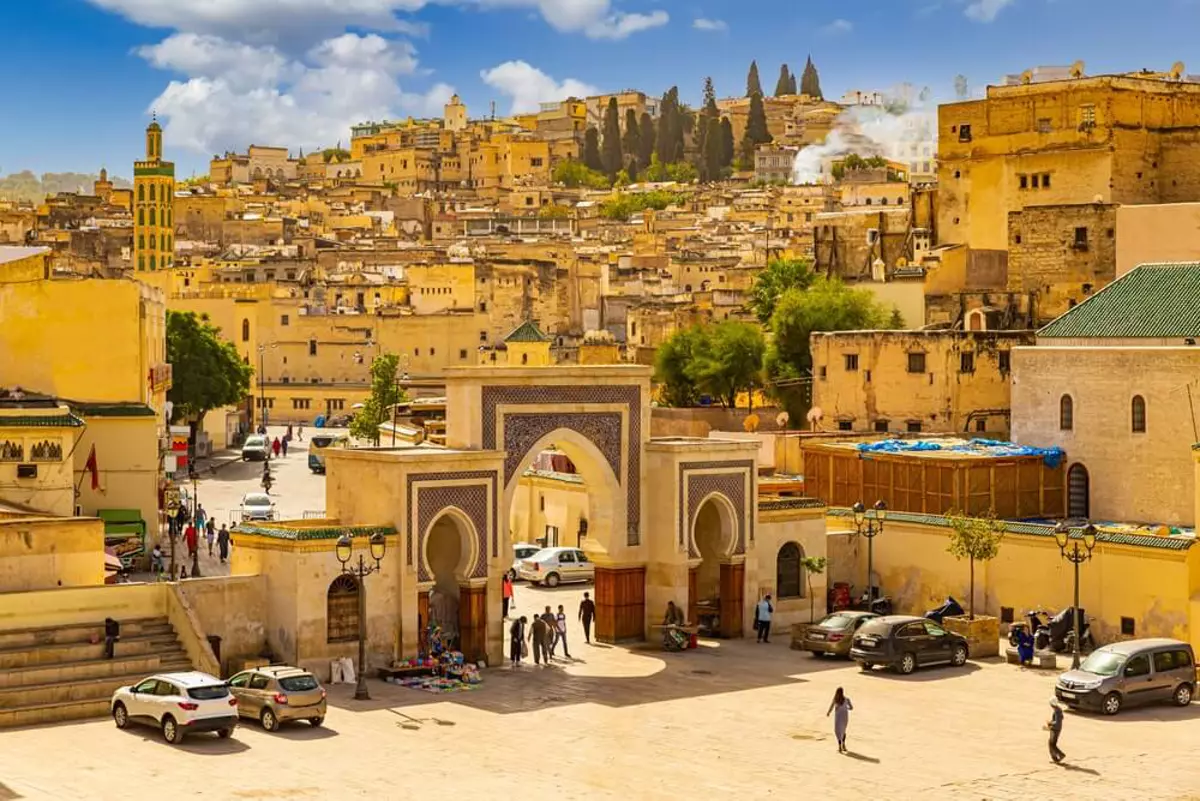
Desert adventures become especially pleasant during autumn. Imperial cities such as Fès can be explored without the intense summer heat.
Palm groves and oases radiate tranquility and offer exceptional scenic beauty.
Seasonal verdict: For travelers combining cultural exploration, desert experiences, and hiking, autumn is a strategic and rewarding choice.
Winter (December to February): Climatic Diversity and Peaceful Atmosphere


4
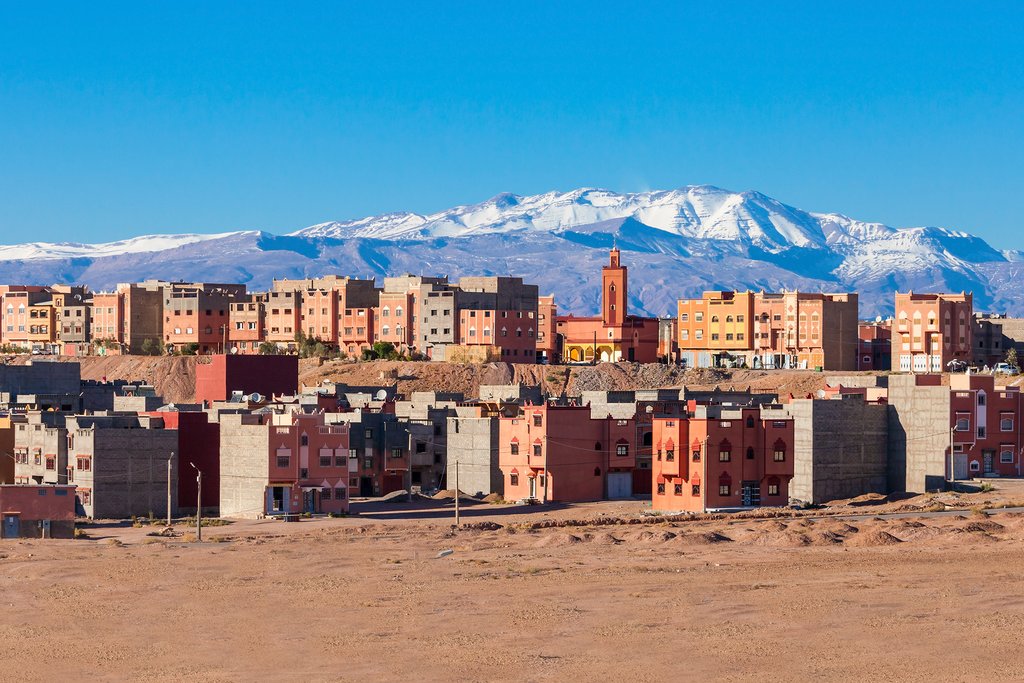
Winter in Morocco presents strong regional contrasts. Mountain areas experience snowfall, while desert regions remain sunny with cold nights.
Where to Travel in Morocco During Winter?
- Rabat – Mild and pleasant climate
- Desert regions – Sunny days with crisp evenings
- Mountain areas – Snow-covered landscapes
Daytime temperatures typically range between 50°F and 72°F (10°C–22°C) depending on location. Winter provides a more authentic experience due to reduced tourist traffic.
Photographers value the clarity of winter air and dramatic contrasts between blue skies and rugged terrain.
Seasonal verdict: Winter is ideal for avoiding crowds and enjoying a quieter Morocco, especially along the coast and in desert regions.
Best Time to Visit Morocco by Region
Imperial Cities: Spring and Autumn Recommended
Historic medinas require extensive walking. The mild climate of spring and autumn ensures optimal comfort.
Atlas Mountains: April to June and September to October
Hiking conditions are excellent during these months, with pleasant temperatures and accessible trails.
Sahara Desert: October to April
Sunny days and cool nights create ideal desert travel conditions. Avoid peak summer months for extended excursions.
Atlantic Coast: May to September
Beaches enjoy moderate temperatures and consistent sea breezes.
When to Visit Morocco Based on Your Travel Goals
For a Cultural Tour
March, April, May, September, and October offer the most comfortable conditions.
For a Beach Vacation
June through September is ideal for swimming and seaside relaxation.
For a Desert Adventure
October to November and March to April provide the best comfort levels.
For Photography
Spring and autumn deliver exceptional lighting and vivid natural contrasts.
Average Temperatures in Morocco
| Season | Average Temperature | Conditions |
|---|---|---|
| Spring | 68–82°F (20–28°C) | Mild and sunny |
| Summer | 86–113°F (30–45°C) | Very hot inland |
| Autumn | 72–86°F (22–30°C) | Pleasant and stable |
| Winter | 50–72°F (10–22°C) | Mild on the coast |
Final Recommendation: What Is the Best Time to Visit Morocco?
If we must determine the single best time to visit Morocco, we confidently identify spring (March to May) and autumn (September to November) as the most balanced and rewarding seasons. These periods offer:
- Moderate temperatures
- Stunning natural landscapes
- A wide range of activities
- Manageable tourist levels
Each season reveals a distinct dimension of Morocco. The key is aligning your travel priorities—culture, desert exploration, mountain trekking, or coastal relaxation—with the most favorable climatic conditions.
Morocco remains a captivating destination year-round, but choosing the right season ensures maximum comfort and an enriched travel experience.