Introduction to Traditional Moroccan Etiquette
Morocco, a country in the Maghreb region of North Africa, is known for its rich cultural heritage and traditional etiquette. As a tourist, understanding and respecting these customs can make a significant difference in your travel experience. From greeting locals to dining at a traditional Moroccan home, etiquette plays a vital role in building connections and avoiding unintended offense.
Basic Greetings and Interactions
In Morocco, greetings are an essential part of the daily interaction. The traditional Moroccan greeting involves a handshake or a kiss on both cheeks, depending on the level of familiarity. When interacting with locals, it’s customary to use your right hand for eating, giving, or receiving something, as the left hand is considered unclean.
- Use formal titles such as ‘Sidi’ (Mr.) or ‘Lalla’ (Ms./Mrs./Miss) followed by the person’s name, especially when addressing older individuals or those in positions of authority.
- Avoid public displays of affection, as Morocco is a conservative country.
- Respect for elders is deeply ingrained in Moroccan culture, so show deference to older individuals.
Dining Etiquette
Dining in Morocco is a social affair that brings people together. Understanding the local dining customs can enhance your experience and show respect for your hosts.
- Wait to be seated, as the host usually has a specific seating arrangement in mind.
- Use your right hand when eating, as the left hand is considered unclean.
- Try a bit of everything that is offered, as refusing food can be seen as impolite.
- Do not leave the table until the meal is finished, as this can be considered rude.
Visiting a Moroccan Home
Visiting a Moroccan home is a significant honor, and there are certain customs to keep in mind to ensure a pleasant experience for both you and your hosts.
- Remove your shoes before entering the home, as this is a sign of respect.
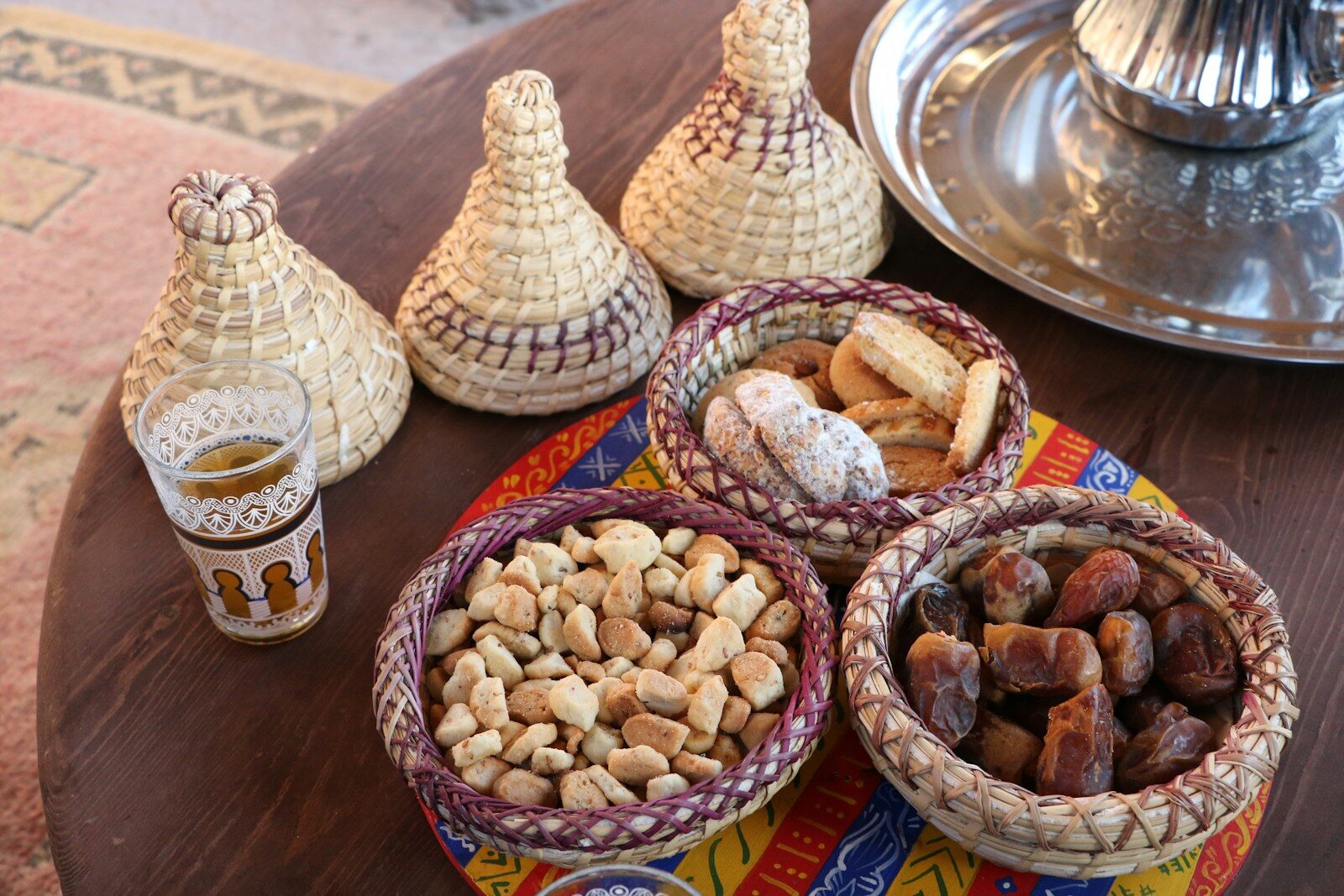
- Bring a small gift, such as pastries or fruit, to show appreciation for the invitation.
- Engage in conversation and show genuine interest in the family and their culture.
Conclusion
Traditional Moroccan etiquette is a vital aspect of the country’s culture and society. By understanding and respecting these customs, tourists can have a more authentic and enjoyable experience in Morocco. Remember, the key to a successful interaction is respect, openness, and a willingness to learn and adapt to local norms.
Discover Morocco
Frequently Asked Questions About Moroccan Etiquette
What should I know about greetings in Morocco?
Moroccans greet warmly: a handshake with “Salam alaikum” (peace be upon you) is standard. Between friends of the same gender, cheek kisses (usually two) are common. Some conservative Muslims may avoid handshaking with the opposite gender — if someone places their hand on their heart instead, reciprocate the gesture.
Is it rude to refuse mint tea in Morocco?
Mint tea is a symbol of Moroccan hospitality. Refusing is not offensive, but accepting at least one glass is a sign of respect and builds rapport — especially in shops and homes. It is perfectly fine to say you’ve had enough after the first glass.
Can I take photos of people in Morocco?
Always ask permission before photographing people. Some Moroccans, especially in rural areas, are uncomfortable being photographed. In tourist areas (Jemaa el-Fna), performers and snake charmers will expect a tip (5–10 MAD) for photos. Never photograph military installations or police.
What are the rules about eating with your hands in Morocco?
When eating traditional dishes like tagine or couscous with your hands, always use your right hand — the left hand is considered unclean. Tear bread with your right hand and use it to scoop food. In restaurants with cutlery, regular Western table manners apply.