Introduction to Vegan and Vegetarian Food in Morocco
Morocco, a country in the Maghreb region of North Africa, is known for its rich culinary heritage, which is heavily influenced by Arab, Berber, and Mediterranean cuisines. While traditional Moroccan cuisine is often associated with meat and fish dishes, there are plenty of delicious vegan and vegetarian options available. In this article, we will explore the world of vegan and vegetarian food in Morocco, highlighting the best dishes, ingredients, and restaurants to try. Furthermore, we will dive into the unique flavors and cultural significance of these dishes, ensuring that both locals and visitors can appreciate the full spectrum of Moroccan cuisine.
Traditional Moroccan Vegan and Vegetarian Dishes
Moroccan cuisine has a long history of vegetarian and vegan dishes, which are often made with a variety of vegetables, legumes, and grains. Some popular traditional Moroccan vegan and vegetarian dishes include:
- Tagine: a slow-cooked stew made with vegetables, legumes, and dried fruits, typically cooked in a clay pot with a conical lid. This cooking method allows the flavors to meld beautifully, making tagines a staple in Moroccan households.
- Couscous: a traditional North African dish made from steamed semolina flour, often served with vegetables, legumes, and sometimes meat or fish. Couscous is versatile and can be paired with a variety of toppings, making it a favorite among vegetarians.
- Harira: a hearty soup made with lentils, chickpeas, tomatoes, and spices, often served as a starter or snack. It is especially popular during Ramadan, providing nourishment and comfort after fasting.
- Chakchouka: a spicy vegetable stew made with bell peppers, onions, tomatoes, and eggs, often served with crusty bread or couscous. This dish is not only flavorful but also showcases the vibrant colors of Moroccan produce.
- B’stilla: a savory pie made with layers of flaky pastry, vegetables, and sometimes meat or fish, often served as a starter or main course. The vegetarian version is equally delicious, filled with spiced vegetables and nuts.
Vegan and Vegetarian Ingredients in Moroccan Cuisine
Moroccan cuisine makes use of a wide variety of vegetables, legumes, and grains, which are often used to create delicious and flavorful vegan and vegetarian dishes. Some popular ingredients include:
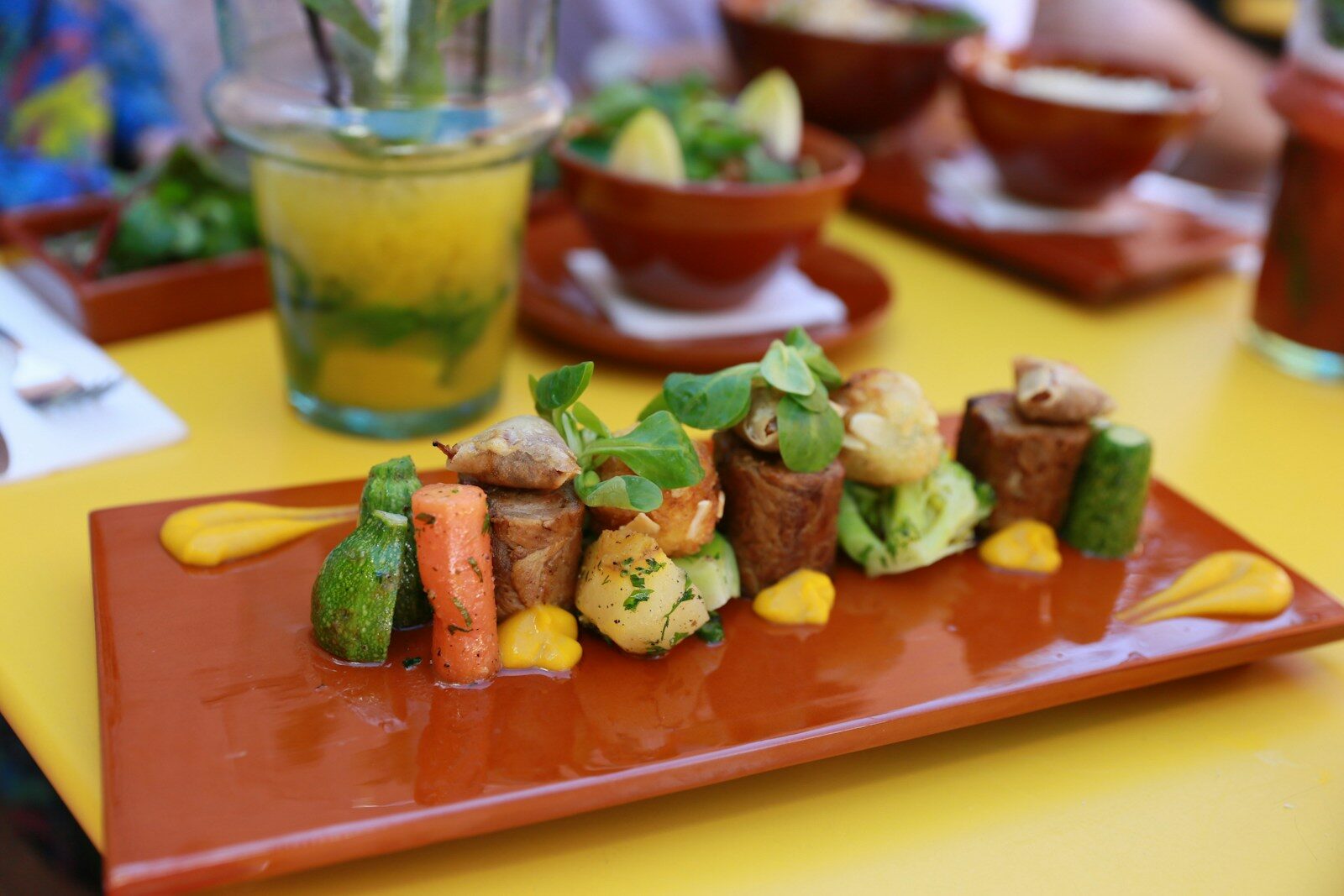
- Vegetables: bell peppers, onions, tomatoes, eggplants, zucchini, carrots, and potatoes. Each vegetable brings its own unique texture and flavor profile to dishes.
- Legumes: chickpeas, lentils, fava beans, and broad beans. These ingredients are excellent sources of protein and are often featured in salads and stews.
- Grains: couscous, semolina flour, and whole wheat bread. Grains form the backbone of many Moroccan meals, providing sustenance and balance.
- Nuts and seeds: almonds, pistachios, sesame seeds, and pumpkin seeds. These add crunch and richness to various dishes, enhancing both flavor and nutrition.
- Spices and herbs: cumin, coriander, paprika, turmeric, ginger, and parsley. The use of spices is a hallmark of Moroccan cooking, imparting warmth and depth to each dish.
Vegan and Vegetarian Restaurants in Morocco
While traditional Moroccan cuisine is often meat-based, there are many restaurants and cafes that cater to vegan and vegetarian diets. Some popular vegan and vegetarian restaurants in Morocco include:
- Earth Cafe in Marrakech: a vegan and vegetarian cafe serving a variety of international dishes, including Moroccan specialties. The cafe focuses on using organic ingredients and offers a peaceful atmosphere for diners.
- Karma in Fez: a vegetarian restaurant serving traditional Moroccan dishes, including tagine and couscous. The restaurant prides itself on its homemade flavors and welcoming service.
- Le Jardin in Rabat: a vegan and vegetarian restaurant serving a variety of international dishes, including Moroccan and Mediterranean specialties. The ambiance is vibrant and reflects the artistic spirit of Rabat.
- Cafe Arabe in Marrakech: a cafe serving a variety of traditional Moroccan dishes, including vegan and vegetarian options. The rooftop terrace offers stunning views of the city, making it a great spot for a leisurely meal.
Exploring Morocco’s Culinary Culture
Understanding Moroccan food goes beyond just the dishes. It’s essential to appreciate the cultural significance of meals in Moroccan society. Food is often a communal experience in Morocco, with families gathering around a large plate to share various dishes. This practice fosters a sense of togetherness and is a crucial aspect of Moroccan hospitality.
Additionally, many traditional Moroccan dishes are prepared with seasonal ingredients, reflecting the country’s agricultural practices. The use of fresh produce not only enhances flavor but also supports local farmers and sustainable practices.
The Health Benefits of Vegan and Vegetarian Diets
Adopting a vegan or vegetarian diet in Morocco not only allows travelers to enjoy unique flavors but also brings numerous health benefits. A plant-based diet is known to reduce the risk of chronic diseases, improve heart health, and aid in weight management. The abundance of fresh fruits and vegetables in Moroccan markets provides an excellent opportunity for those looking to eat healthier while traveling.
Conclusion
Moroccan cuisine has a rich and diverse tradition of vegan and vegetarian dishes, which are often made with a variety of vegetables, legumes, and grains. With its warm and welcoming culture, Morocco is a great destination for vegan and vegetarian travelers, offering a wide range of delicious and authentic dishes to try. Whether you’re a foodie, a culture vulture, or simply looking for a new adventure, Morocco is a must-visit destination for anyone interested in vegan and vegetarian cuisine. The vibrant food scene reflects Morocco’s cultural mosaic and invites everyone to explore the culinary wealth of this beautiful country. Discovering the diverse Food in Morocco is an experience that will undoubtedly enrich your travel journey.
More Moroccan Food & Cuisine Articles
Frequently Asked Questions About Vegan and Vegetarian Food in Morocco
Is it easy to eat vegetarian in Morocco?
Moderately easy. Moroccan cuisine includes many vegetable-based dishes: vegetable tagine, zaalouk (eggplant salad), harira (lentil soup, often meat-free versions available), couscous with seven vegetables, and bissara (fava bean soup). However, meat is central to Moroccan food culture, so always specify “bla l’ham” (without meat).
Can vegans find food easily in Morocco?
Vegans have more challenges since butter, honey, and dairy are used widely. Marrakech and Essaouira have vegan-friendly restaurants. In traditional settings, ask for vegetable tagine cooked with olive oil instead of butter. Street food options: roasted corn, fresh fruit, msemen (flatbread — ask without butter), and fresh orange juice.
What are the best Moroccan dishes for vegetarians?
Must-try vegetarian dishes: zaalouk (smoky eggplant and tomato), taktouka (pepper and tomato salad), loubia (white bean stew), harira (lentil-chickpea soup), vegetable couscous, briouats (filled pastries — ask for cheese or vegetable filling), and rfissa without chicken.