"Where Was Gladiator Filmed? Discover Morocco’s Iconic Movie Locations"
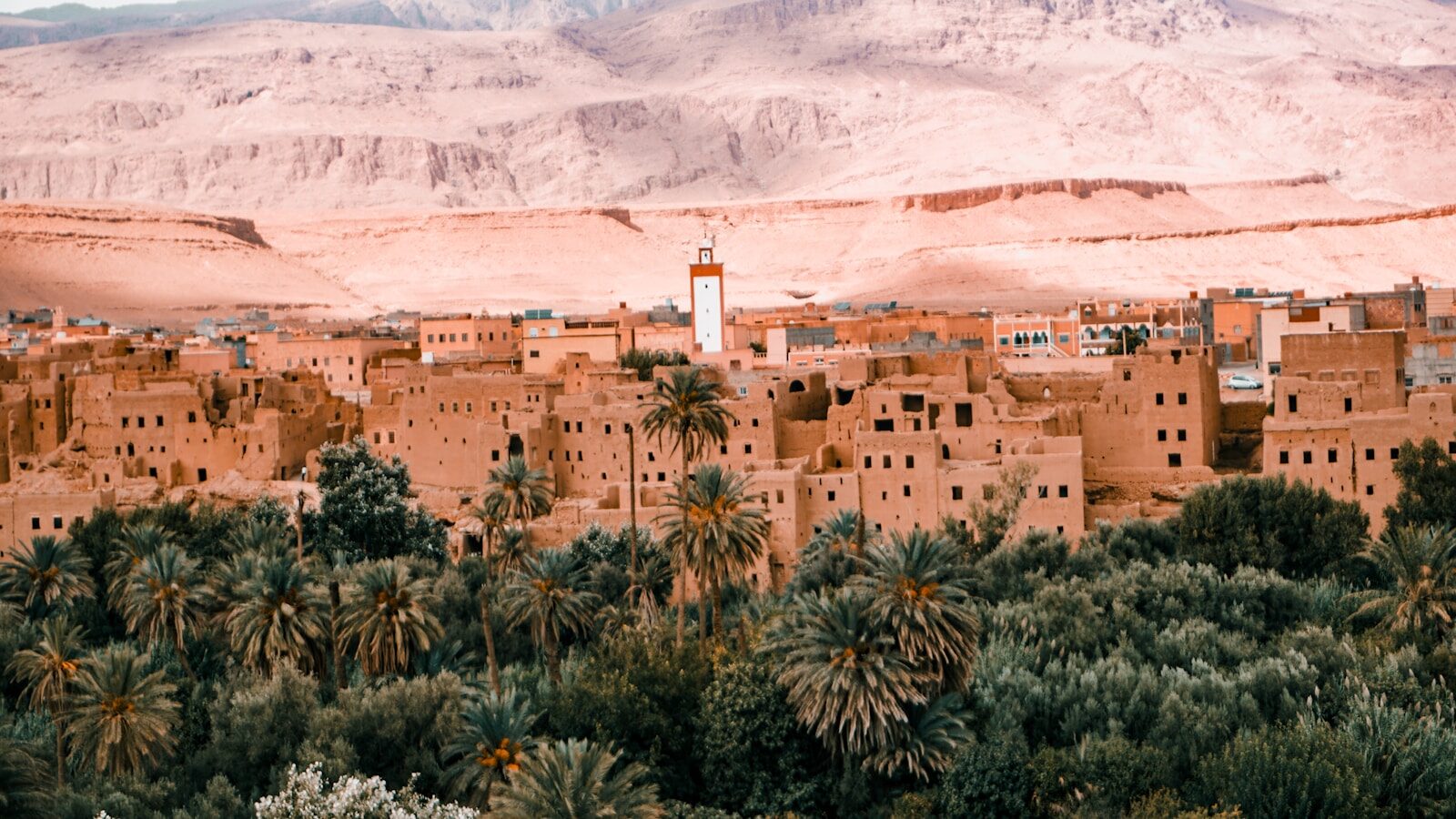
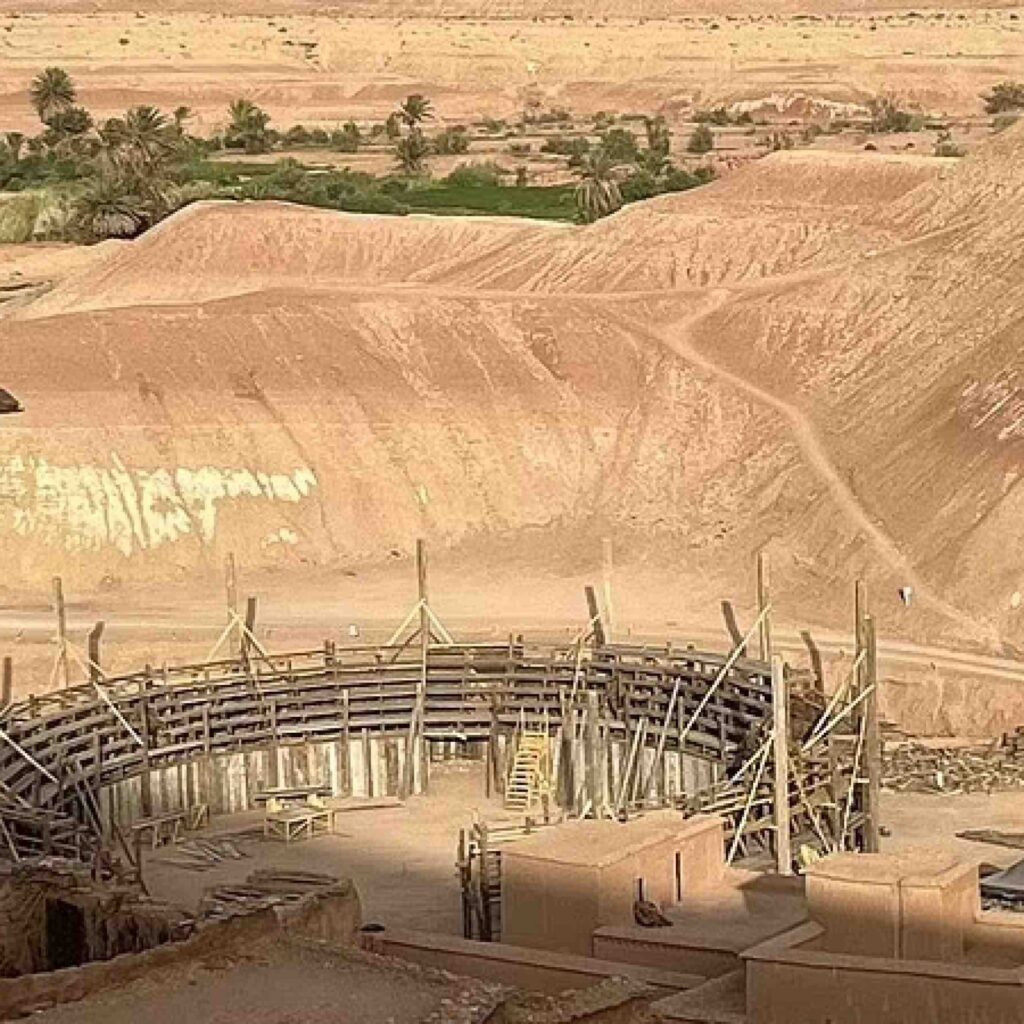
- When you think of the epic movie Gladiator starring Russell Crowe, you may imagine ancient Roman arenas and grand empires. But much of the film’s powerful desert scenes were actually shot in Morocco, specifically in Ouarzazate, a town often called the “Hollywood of Africa.”
https://hayyamorocco.com/trip/desert-wonders-from-marrakech/
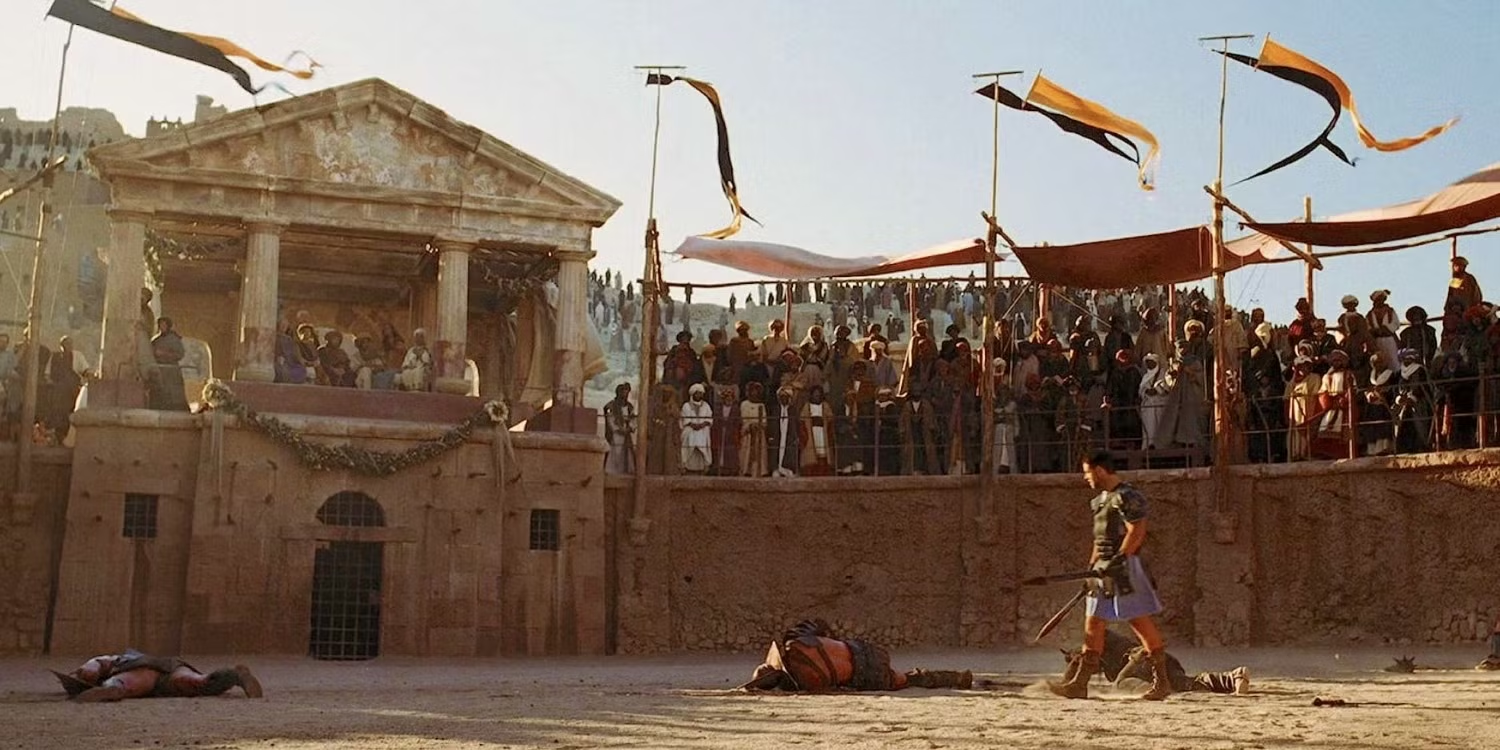
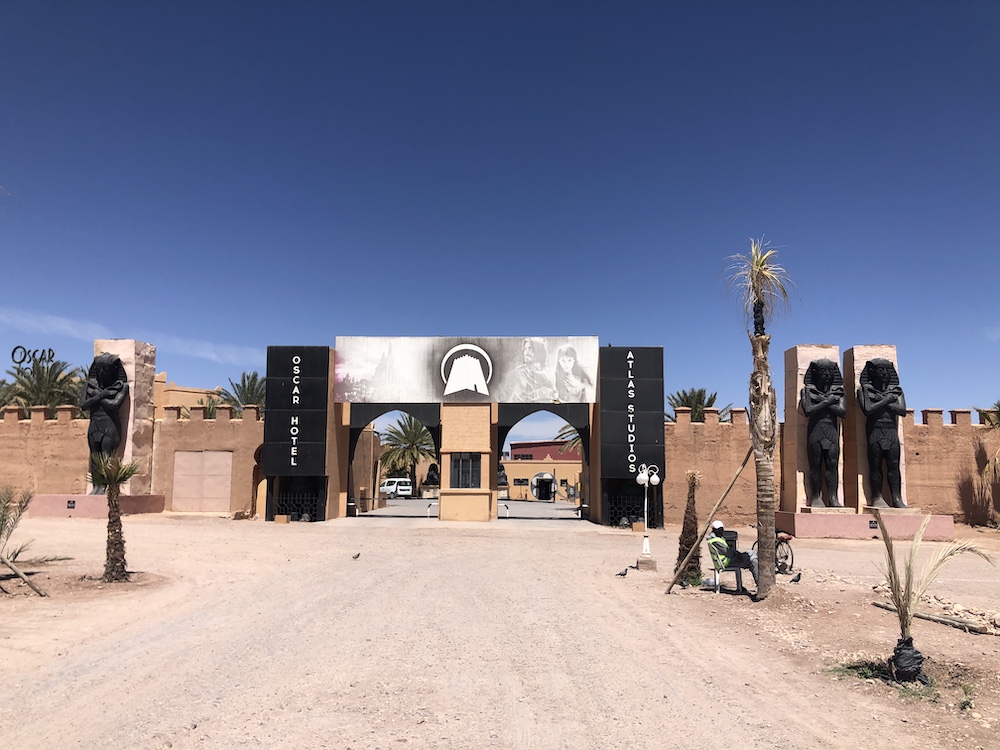
- Ouarzazate’s dramatic landscapes and famous film studios have made it a top location for historical and adventure films. For Gladiator, the production team built entire sets in the desert, creating the illusion of Roman North Africa — with the Atlas Mountains adding a stunning natural backdrop.
https://hayyamorocco.com/trip/saharan-horizons-southern-heritage/
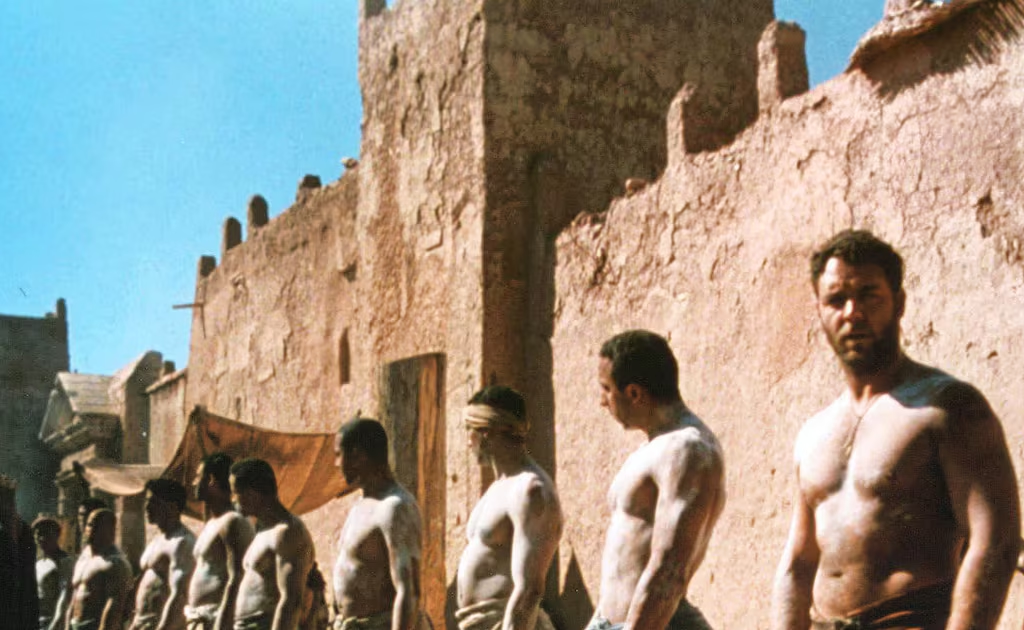
- Visitors can still explore the Atlas Studios and Aït Benhaddou, the iconic fortified village used in the film. Walking through these places, you’ll feel like you’ve stepped right into the movie.

Final Note:
- At Hayya Morocco, we don’t just guide you through Morocco — we bring you into the heart of cinematic history. Let us take you to the real sets of Gladiator, where storytelling and scenery meet.
Ready to start your adventure?
Visit our homepage or contact us to customize your perfect Moroccan journey.
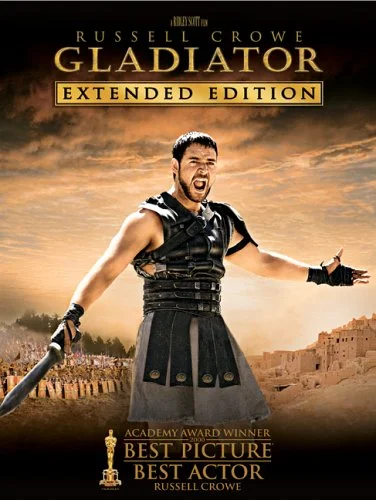
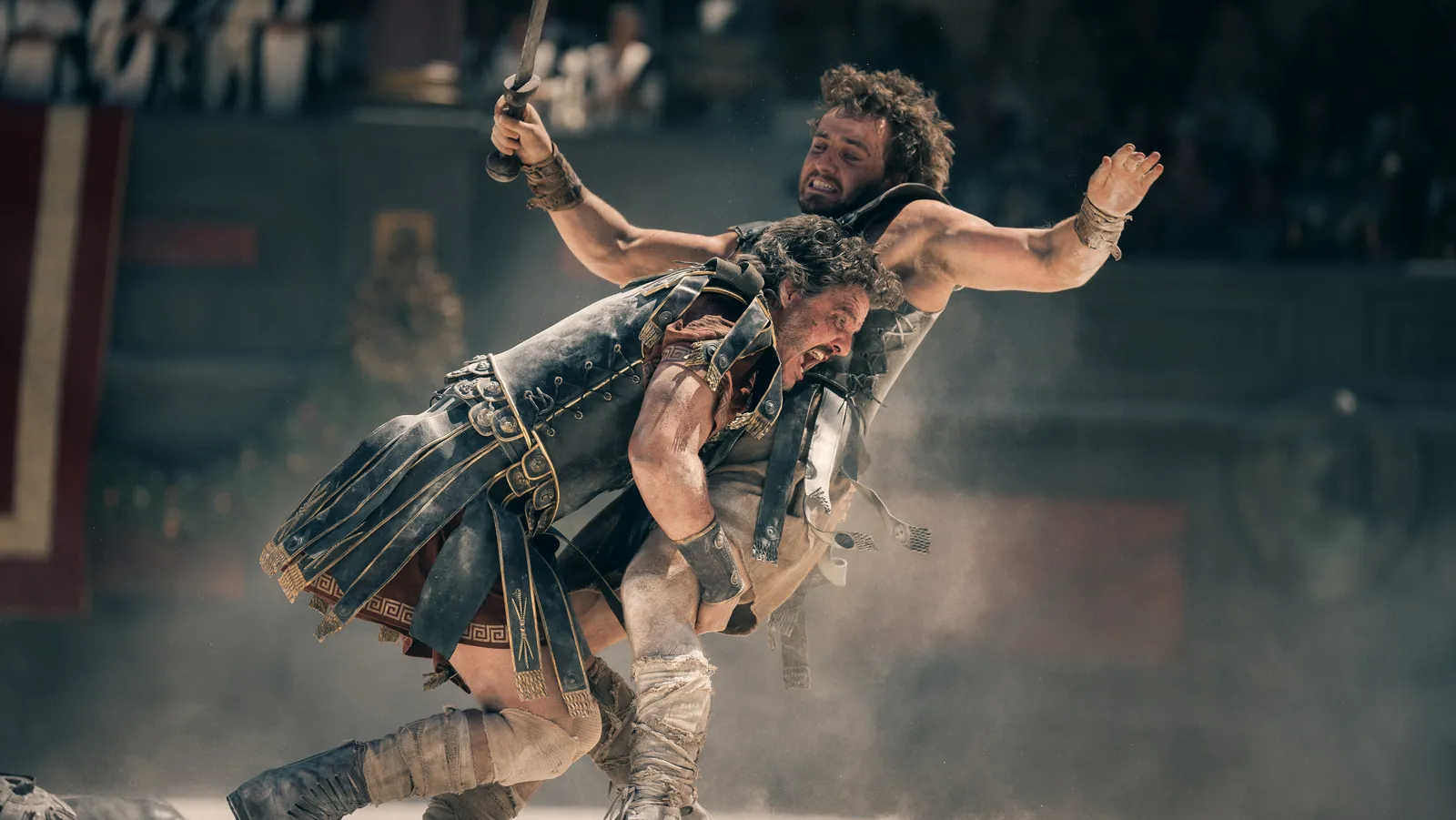
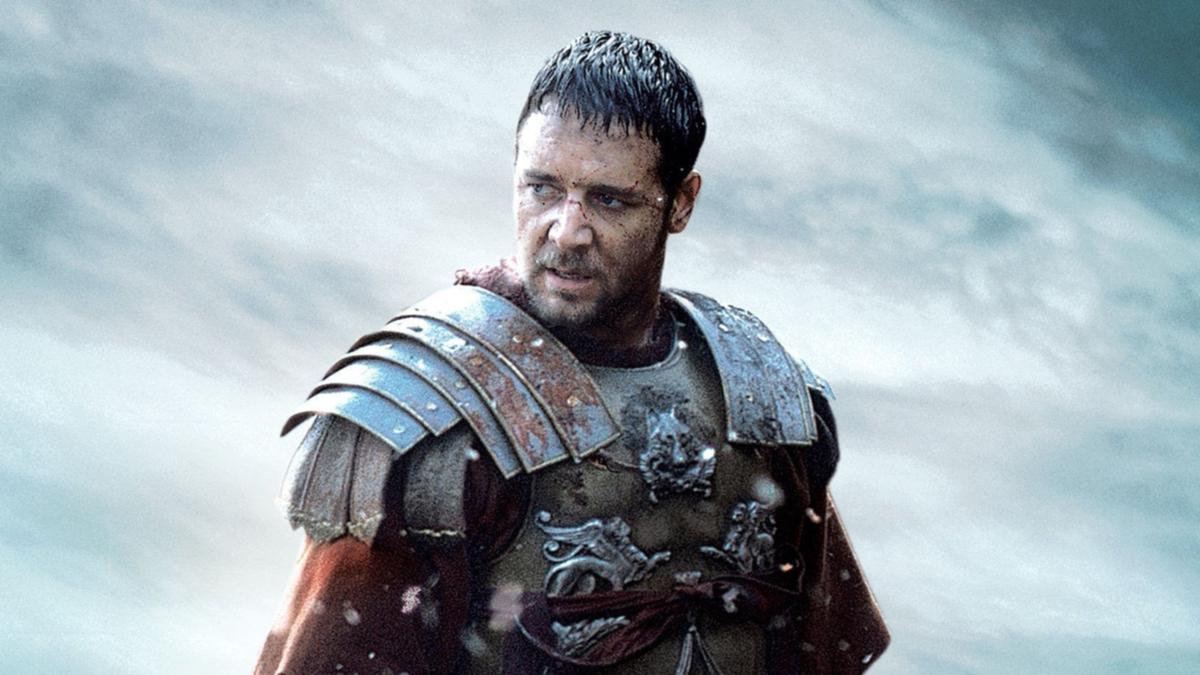
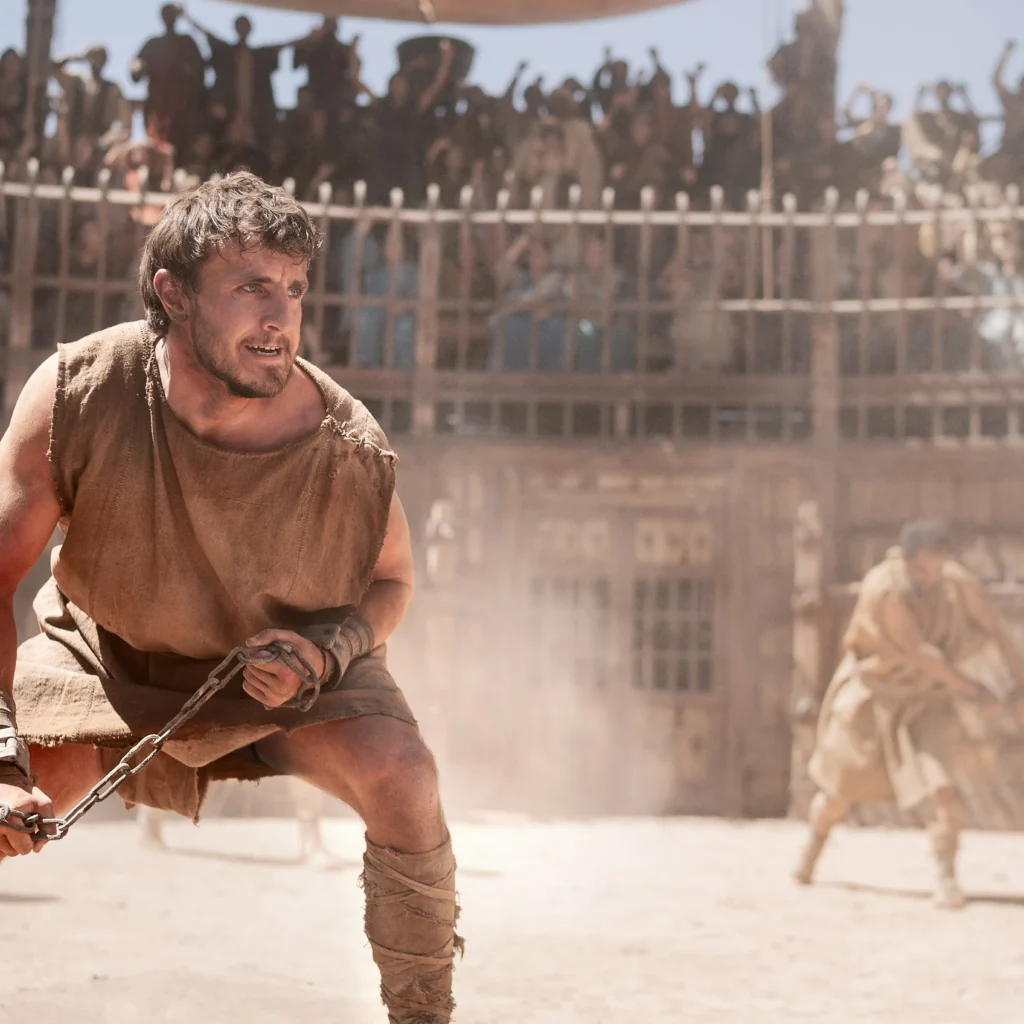
Released in 2000, Ridley Scott’s epic historical drama, Gladiator, left an indelible mark on the realm of cinema. The film, set in Ancient Rome, follows the journey of Maximus Decimus Meridius, a general turned gladiator, portrayed by Russell Crowe. With its compelling narrative and rich visual aesthetic, Gladiator not only captivated audiences but also revitalized interest in the historical epic genre. The film’s portrayal of themes such as honor, vengeance, and the struggle against tyranny resonated deeply with viewers around the world.
Gladiator went on to achieve both critical and commercial success, garnering five Academy Awards, including Best Picture and Best Actor for Crowe’s compelling performance. Its influence extends beyond accolades; it has shaped the way filmmakers approach historical narratives, blending intense personal dramas with grandiose settings and intricate character arcs. The film’s high production values, coupled with Scott’s distinctive direction, established a benchmark for future historical films. The use of practical effects, extensive set designs, and sweeping cinematography created an immersive experience that brought the world of ancient Rome to life.
Moreover, Gladiator played a pivotal role in reshaping popular perceptions of ancient Roman history. Through its fictionalized story and larger-than-life characters, the film has influenced how audiences visualize Roman culture, military prowess, and societal structures. Its impact is evident in subsequent films and television series that have drawn inspiration from its style and storytelling techniques. Ridley Scott’s vision and meticulous attention to detail are paramount to the film’s enduring legacy, making Gladiator a cornerstone of cinematic history.
Key Filming Locations Across the Globe
The film Gladiator, directed by Ridley Scott, is renowned not only for its storytelling and performances but also for its stunning and historically resonant filming locations. One of the most significant sites is the Italica ruins in Spain, situated just outside Seville. These ancient ruins, originally established as a Roman city in the 2nd century BC, provide an authentic backdrop for the film. The well-preserved amphitheater, with its grandiose architecture, evokes the grandeur of the Roman Empire, allowing audiences to connect with the origins of gladiatorial combat. The filmmakers took advantage of Italica’s intricate mosaics and crumbling walls, enhancing the visual depth of key scenes.
Moving to Italy, the city of Rome itself offers unparalleled historical significance. While many shots were filmed on location at the Colosseum, the grandeur of the city’s architecture encapsulates the spirit of ancient Rome. The Colosseum plays a crucial role in the film, serving as a symbol of the gladiators’ fight for honor and survival. The filmmakers skillfully blended CGI with real-life footage, maintaining the authenticity of this iconic landmark.
Furthermore, the breathtaking landscapes of Malta were pivotal in the creation of the film’s stunning visuals. The vast expanses of the countryside, particularly the ancient fortifications of Mdina, provided a picturesque setting that embodied the versatility of Roman landscapes. The challenges of filming on location in Malta also contributed to the film’s gritty realism, as the rugged terrains doubled for various geographic locations within the storyline. Anecdotes from the production team highlight the logistical hurdles they faced amidst Malta’s unpredictable weather, ultimately showcasing their dedication to achieving accuracy in the film’s representation of historical events.
These diverse locations, rich in history and beauty, collectively contribute to the immersive experience of Gladiator, enhancing its narrative authenticity. Each site plays a vital role in presenting a well-rounded portrayal of ancient Rome and the culture surrounding the gladiatorial traditions.
Behind the Scenes: The Filming Process
The production of ‘Gladiator’ represents a high point in cinematic achievement, marked by a remarkable fusion of various filming locations and daring creativity. The logistical challenges faced during the filming process were extensive, requiring meticulous planning and execution. The crew traversed multiple countries, including Italy, Morocco, and England, each site uniquely contributing to the film’s grandeur and authenticity.
One of the significant hurdles the team encountered was adapting the screenplay to fit different landscapes and historical sites. For example, the sprawling desert scenes were filmed in Morocco, where the vastness of the landscape echoed the epic battles depicted in the story. Similarly, the Imperial Rome scenes were filmed at historically relevant locations such as the Roman Forum and the famous Colosseum, which provided an authentic backdrop. Here, the production team had to work closely with local authorities to secure permissions and navigate the complexities of filming in preserved sites.
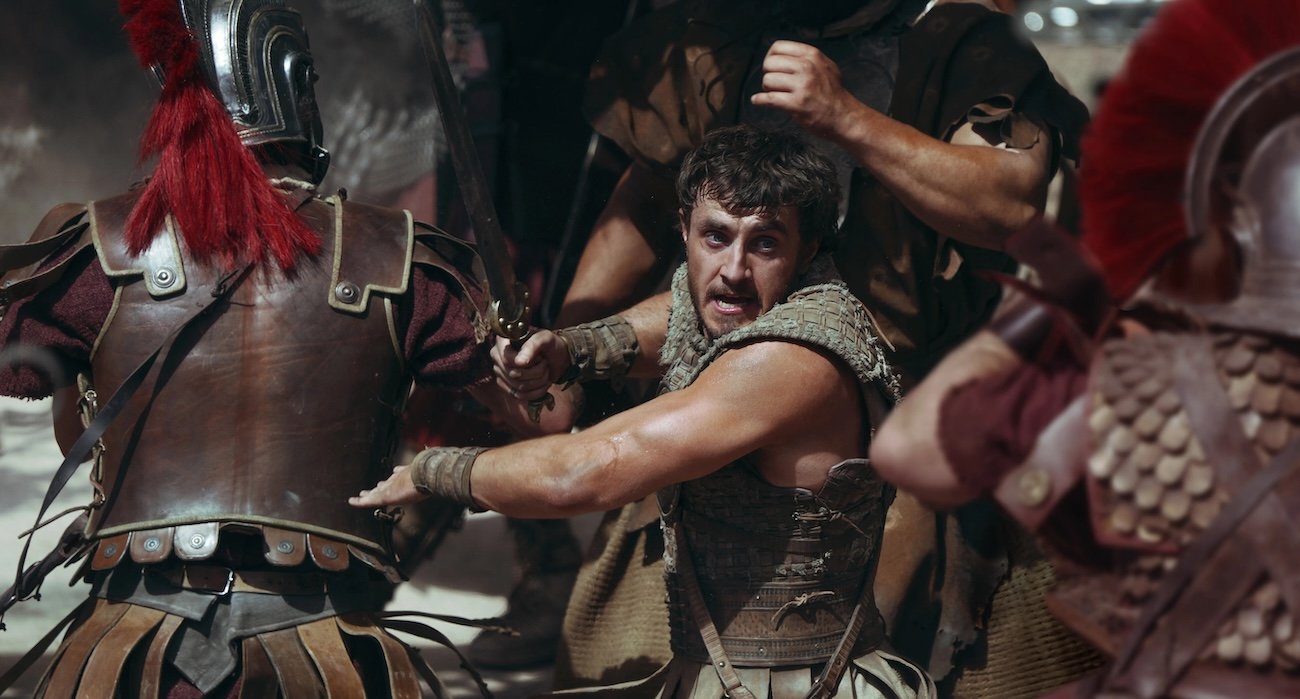
Moreover, blending live-action footage with special effects proved vital in amplifying the film’s dramatic impact. Advanced CGI techniques were employed to create sweeping vistas and large-scale battles, while practical effects added a tangible realism to the scenes. For instance, the renowned battle sequences required coordinating hundreds of extras, where the use of both real and digitally rendered elements effectively immersed viewers in the chaotic world of ancient Rome.
The actors, too, played a crucial role in embodying their characters against these historically rich backdrops. The collaboration between the cast and crew was pivotal, ensuring that each scene resonated with authenticity. The combination of strategic location choices, innovative special effects, and a dedicated team contributed significantly to the overall atmosphere of ‘Gladiator’, making it a hallmark of modern filmmaking.
Visiting Gladiator Filming Locations: A Traveler’s Guide
For fans of the critically acclaimed film “Gladiator,” visiting the iconic filming locations offers a unique opportunity to immerse oneself in the cinematic world of ancient Rome. Major filming sites are spread across Europe and North Africa, with each location holding its own historical significance and charm. This guide will provide practical information to help travelers navigate these remarkable sites.
The most notable filming location is the vast Roman amphitheater in Nîmes, France, known as the Arènes de Nîmes. This well-preserved structure is quite accessible, located just a short walk from the city’s center. Visitors can explore the amphitheater and learn more about its history, and guided tours are available to enhance the experience. The best time to visit is during the summer months when the amphitheater hosts various events, allowing one to witness its grandeur in action.
Another key site is the stunning landscape of the Tabernas Desert in Almería, Spain, where many of the film’s battle scenes were shot. Though the desert is remote, several tour operators offer excursions showcasing the various movie sets from “Gladiator” and other famous films. To fully enjoy this expansive setting, early morning or late afternoon visits are recommended to experience the breathtaking scenery and unique light conditions.
While planning a trip to these filming locations, tourists should also be aware of the importance of preservation. Many sites are actively maintained to ensure historical accuracy and protect the environment. Supporting local businesses and participating in guided tours can help sustain the cultural and historical value of these locations, contributing positively to the communities that host them. The legacy of “Gladiator” continues to inspire travel, and visiting these remarkable places offers a window into the film’s unforgettable world.