Introduction to Islamic Architecture Study Tours
Islamic architecture is a unique and fascinating field of study, with a rich history and diverse range of styles. From the intricate geometric patterns of Moorish palaces to the majestic domes of Ottoman mosques, Islamic architecture has played a significant role in shaping the built environment of the Middle East, North Africa, and beyond. For those interested in exploring this captivating subject, Islamic architecture study tours offer a unique opportunity to delve into the history, culture, and design of Islamic buildings and cities.
History of Islamic Architecture
The history of Islamic architecture spans over 1,400 years, from the 7th century to the present day. It is a story of cultural exchange, innovation, and adaptation, as Muslim architects and builders drew upon a wide range of influences, from Byzantine and Persian to Mediterranean and Indian. The early Islamic period saw the development of distinctive architectural styles, such as the use of arches, domes, and minarets, which became hallmark features of Islamic buildings. As the Islamic world expanded, so too did the diversity of architectural styles, with regional variations emerging in Spain, Egypt, Turkey, and other parts of the Islamic world.
Destinations for Islamic Architecture Study Tours
Islamic architecture study tours can take participants to a wide range of destinations, each with its own unique cultural and architectural heritage. Some of the most popular destinations include:
- Cairo, Egypt: Known for its stunning mosques, madrasas, and palaces, Cairo is a treasure trove of Islamic architecture. The city is home to the Mosque of Muhammad Ali, the Al-Azhar Mosque, and the Sultan Hassan Mosque, among other notable landmarks.
- Istanbul, Turkey: Straddling Europe and Asia, Istanbul is a city of breathtaking beauty, with a rich history of Islamic architecture. The Hagia Sophia, the Blue Mosque, and the Topkapi Palace are just a few of the many iconic buildings that can be explored on a study tour.
- Granada, Spain: The Alhambra palace in Granada is one of the most famous examples of Islamic architecture in the world. This magnificent complex of buildings, gardens, and courtyards is a must-see destination for anyone interested in Islamic architecture.
- Marrakech, Morocco: Marrakech is a city of vibrant colors, sounds, and smells, with a rich cultural heritage that reflects its Islamic and Berber roots. The Bahia Palace, the Koutoubia Mosque, and the Jardin Majorelle are just a few of the many architectural treasures that can be discovered on a study tour.
What to Expect on an Islamic Architecture Study Tour
An Islamic architecture study tour is a unique and enriching experience that combines academic learning with cultural immersion. Participants can expect to:
- Explore iconic Islamic buildings and monuments, such as mosques, madrasas, and palaces
- Learn about the history, culture, and design of Islamic architecture from expert guides and scholars
- Engage with local communities and experience the vibrant cultural heritage of Islamic cities
- Develop a deeper understanding of the cultural, social, and historical contexts that have shaped Islamic architecture
Benefits of Islamic Architecture Study Tours
Islamic architecture study tours offer a wide range of benefits, from academic and professional development to personal enrichment and cultural exchange. Some of the key benefits include:
- Academic and professional development: Study tours provide a unique opportunity for students, scholars, and professionals to develop their knowledge and skills in Islamic architecture and related fields.
- Cultural immersion and exchange: By engaging with local communities and experiencing the cultural heritage of Islamic cities, participants can develop a deeper understanding of the cultural, social, and historical contexts that have shaped Islamic architecture.
- Personal enrichment and inspiration: Islamic architecture study tours can be a life-changing experience, inspiring participants to explore new interests, pursue new career paths, and develop a deeper appreciation for the beauty and diversity of Islamic culture.
Conclusion
In conclusion, Islamic architecture study tours offer a unique and enriching experience for anyone interested in exploring the history, culture, and design of Islamic buildings and cities. With a wide range of destinations to choose from, participants can develop a deeper understanding of the cultural, social, and historical contexts that have shaped Islamic architecture, while also experiencing the vibrant cultural heritage of Islamic cities.
Discover Morocco
Frequently Asked Questions About Islamic Architecture Tours in Morocco
What Islamic architectural sites should I visit in Morocco?
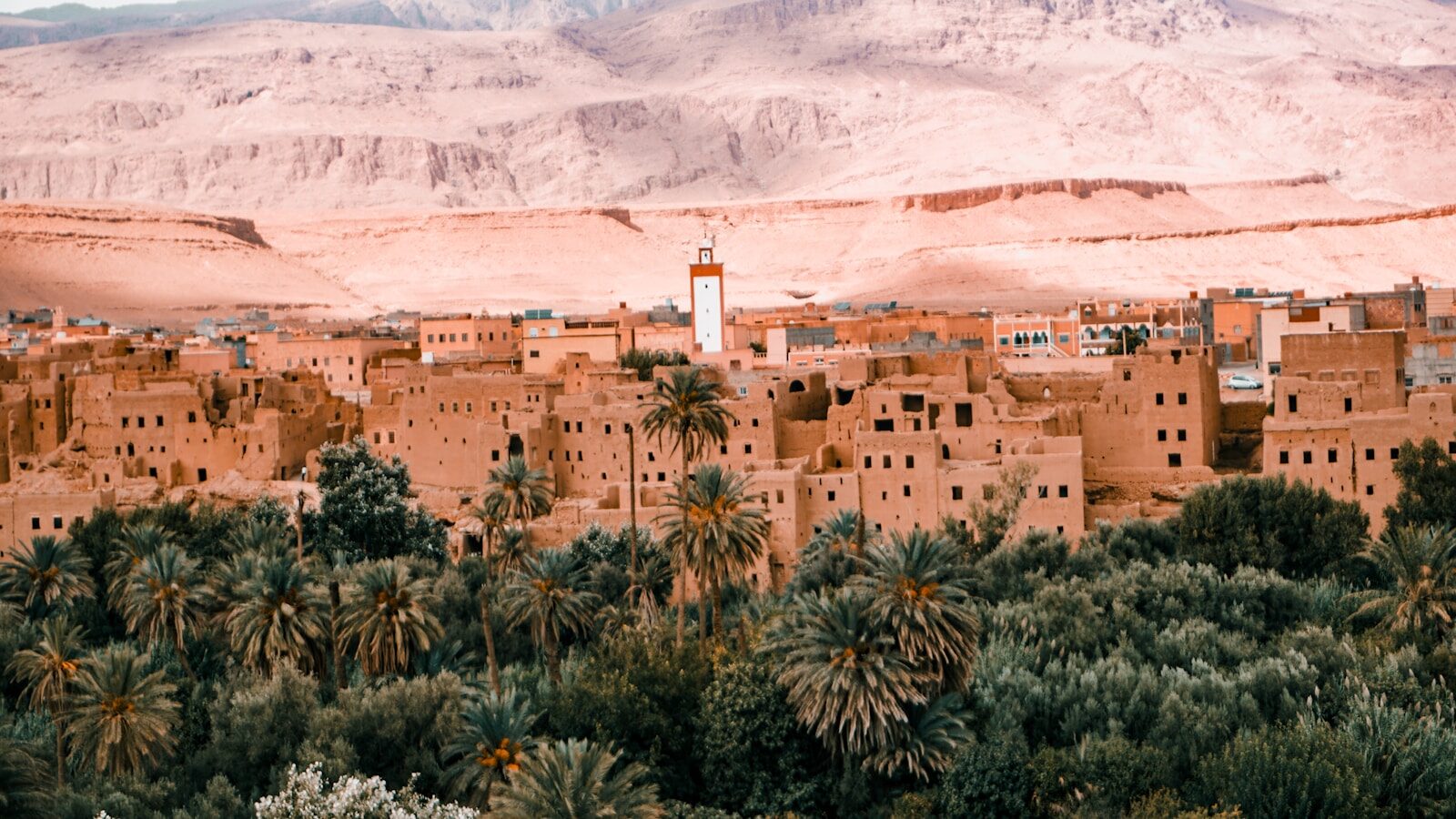
Must-see Islamic architecture in Morocco includes the Hassan II Mosque in Casablanca (tallest minaret in the world), the Koutoubia Mosque in Marrakech, the Bou Inania and al-Attarine madrasas in Fez, the Ben Youssef Madrasa in Marrakech, the Tin Mal Mosque in the Atlas Mountains, the Kasbah Mosque in Tangier, and the countless intricately decorated mosques and madrasas throughout the imperial cities of Fez, Meknes, Marrakech, and Rabat.
Can non-Muslims enter mosques in Morocco?
In Morocco, most mosques are closed to non-Muslims, with a few notable exceptions: the Hassan II Mosque in Casablanca offers guided tours to all visitors, and the Tin Mal Mosque in the High Atlas is also open. However, many madrasas (Islamic colleges), mausoleums, and zaouias welcome visitors. The architectural beauty of mosques can often be appreciated from the exterior, and neighboring buildings and rooftop terraces provide excellent viewing points.
What makes Moroccan Islamic architecture unique?
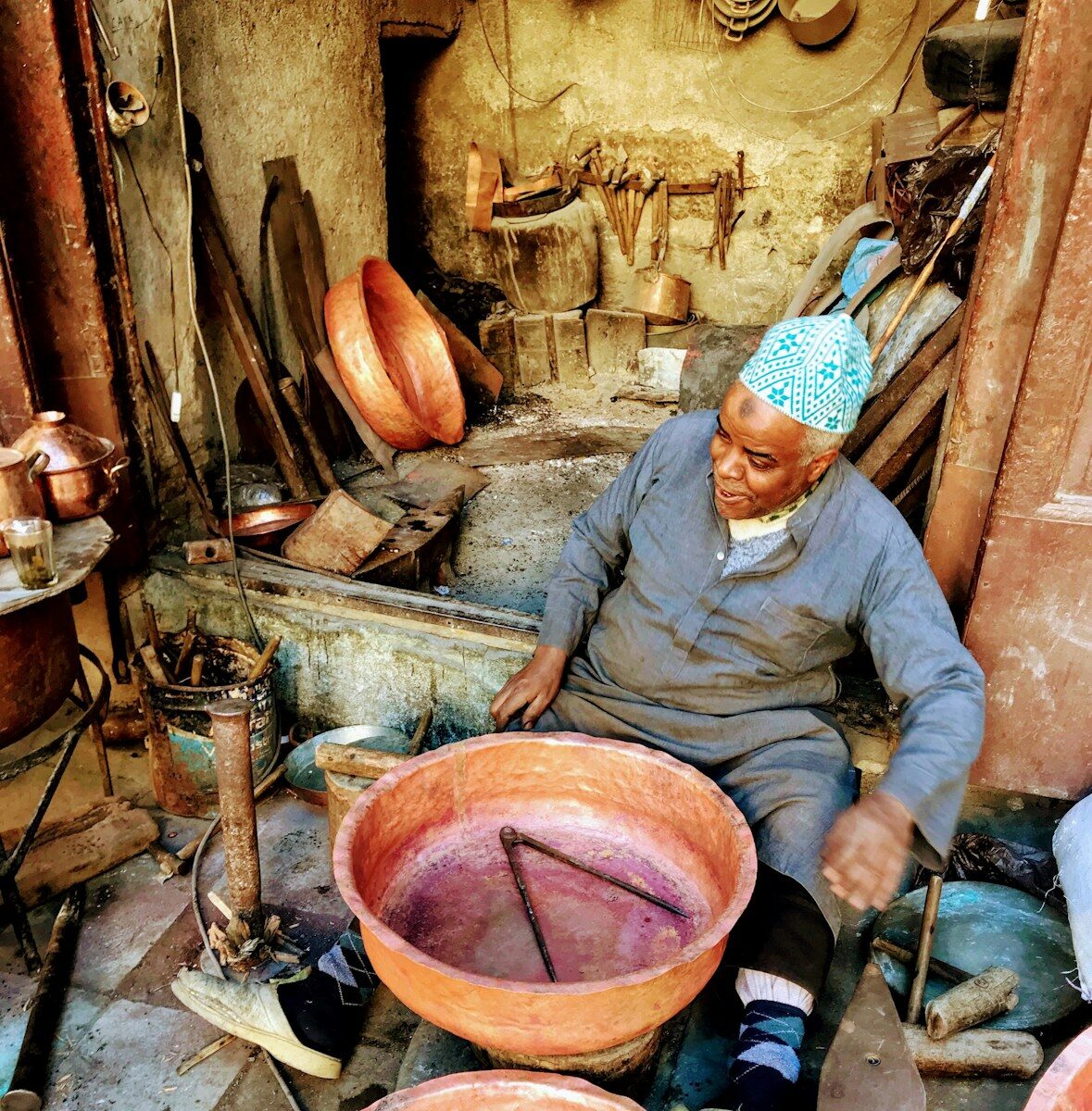
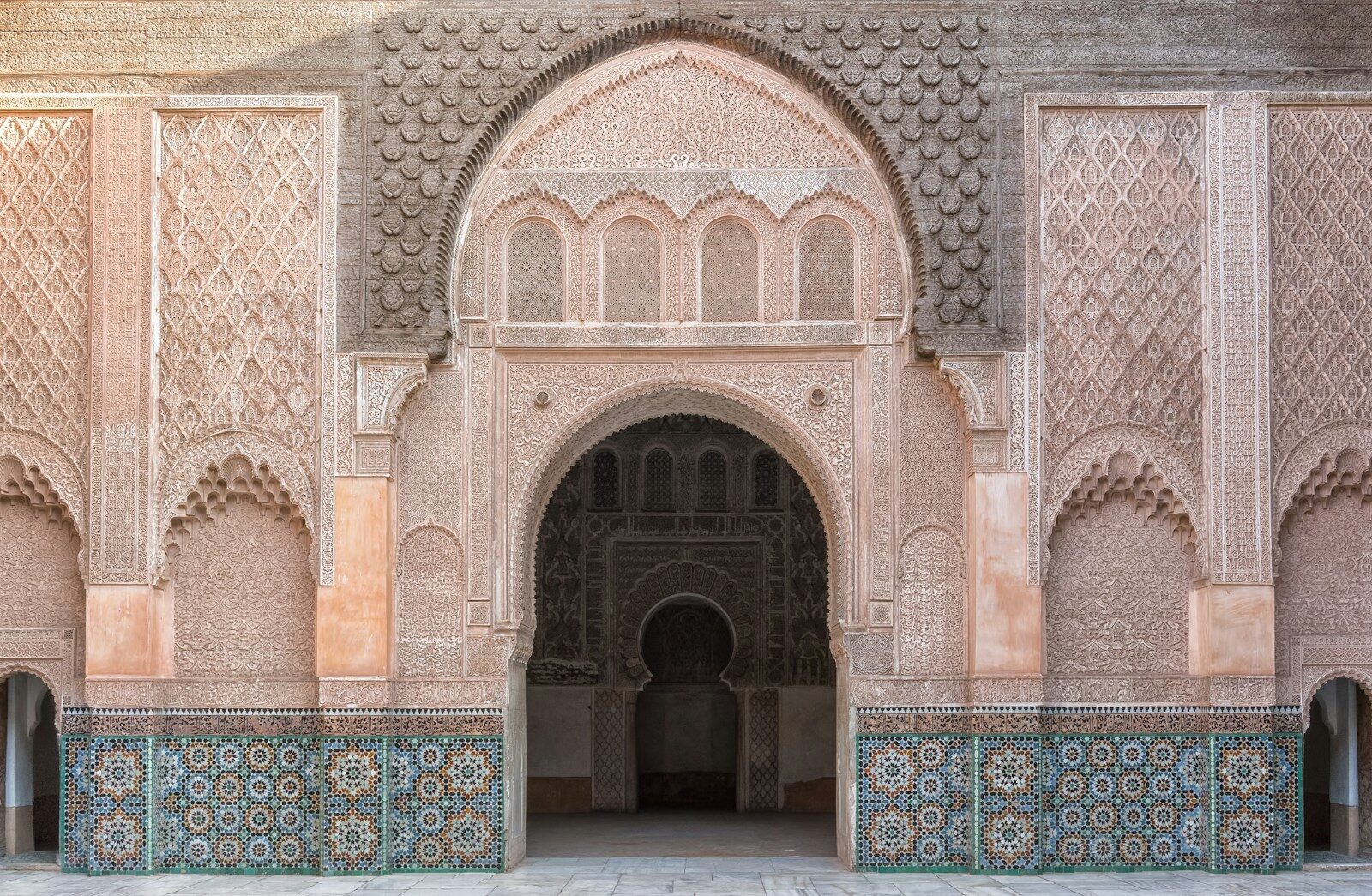
Moroccan Islamic architecture is distinctive for its intricate zellige (geometric mosaic tilework), carved stucco (muqarnas), painted cedarwood ceilings, horseshoe arches, and elaborate fountain courtyards. It blends Amazigh, Andalusian, and sub-Saharan African influences into a uniquely Moroccan style. The country’s artisans still use centuries-old techniques — visiting a zellige workshop in Fez reveals the extraordinary skill behind these masterworks.