Introduction to Moroccan Souvenirs
Morocco, a country in the Maghreb region of North Africa, is known for its rich cultural heritage and diverse traditional crafts. When visiting Morocco, one of the highlights of the trip is shopping for souvenirs that reflect the country’s vibrant culture and history. From colorful textiles to intricate metalwork, there are numerous essential Moroccan souvenirs to buy that will remind you of your incredible journey.
Traditional Moroccan Textiles
Traditional Moroccan textiles are highly prized for their beauty and craftsmanship. These include handmade blankets, throws, and scarves made from wool, silk, or cotton. The famous Beni Ourain rugs, known for their minimalist designs and soft wool, are a popular choice among tourists. Additionally, the vibrant colors and unique patterns of Moroccan tiles and ceramics make for stunning souvenirs.
Metalwork and Wooden Crafts
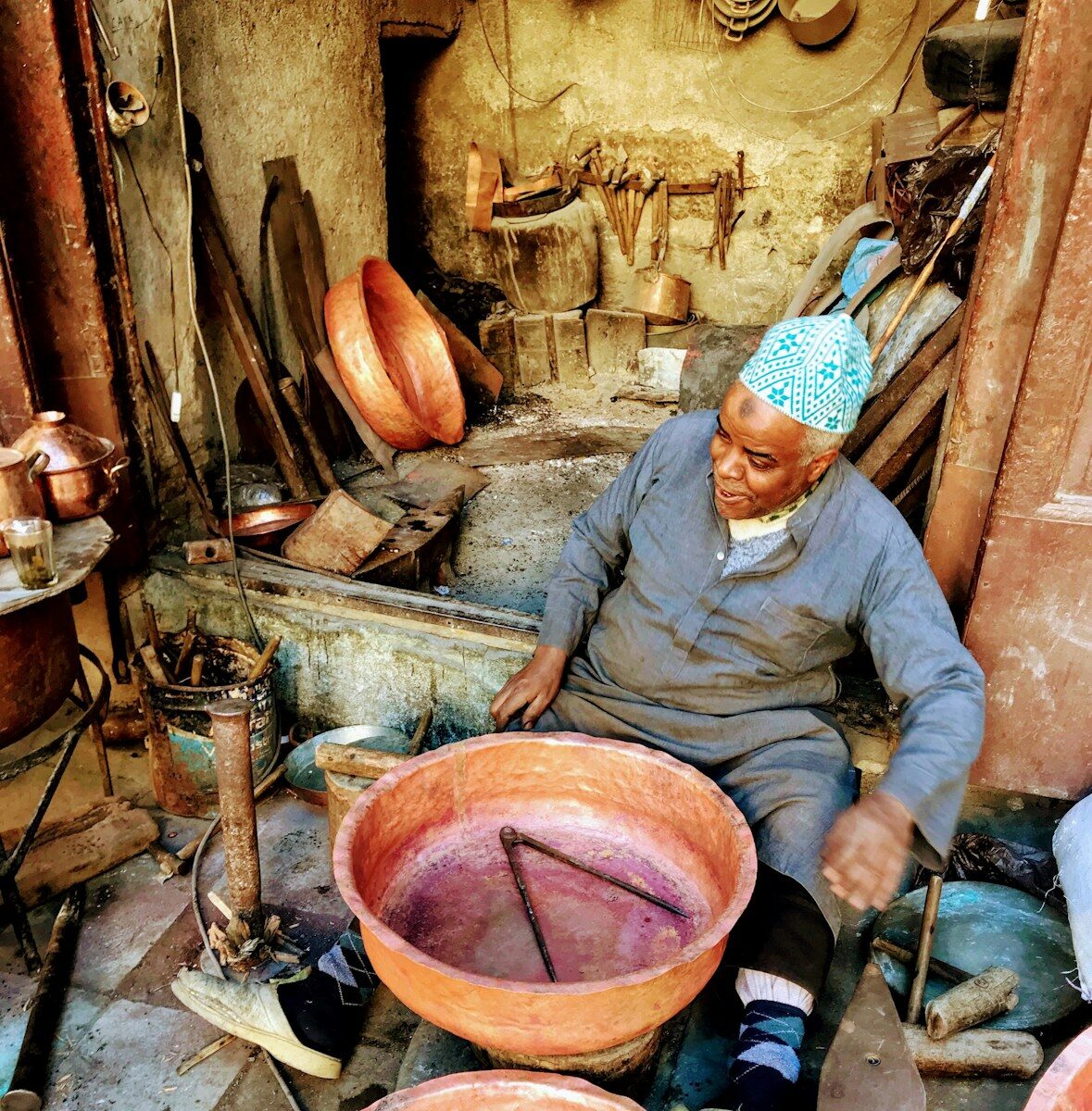
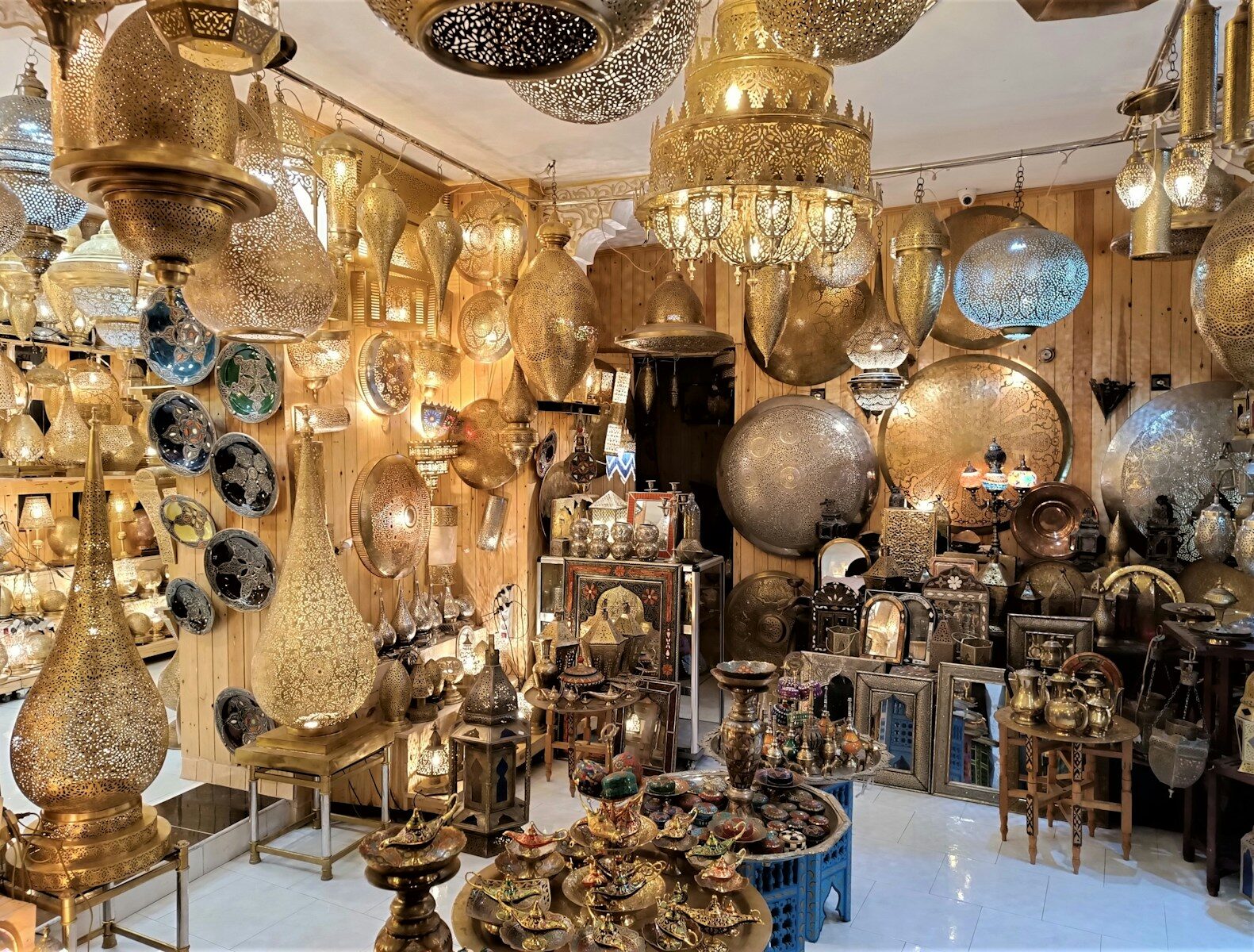
Moroccan metalwork and wooden crafts are renowned for their intricate designs and exceptional craftsmanship. Intricately crafted silver and gold jewelry, decorative lanterns, and engraved metal plates are just a few examples of the beautiful metalwork available. Wooden crafts, such as carved wooden boxes and intricately designed wooden panels, are also highly sought after.
Essential Moroccan Souvenirs
- Argan Oil: A luxurious oil extracted from the argan tree, known for its moisturizing and antioxidant properties.
- Spices: Morocco is famous for its vibrant spice markets, where you can find an array of exotic spices, including saffron, cumin, and coriander.
- Handmade Leather Goods: From stylish handbags to elegant shoes, Moroccan leather goods are highly prized for their quality and craftsmanship.
- Traditional Moroccan Clothing: A traditional Moroccan djellaba or kaftan makes for a unique and memorable souvenir.
- Tea Sets: Morocco’s love of tea is reflected in its beautifully crafted tea sets, which often feature intricate designs and colorful patterns.
Shopping Tips
When shopping for souvenirs in Morocco, it’s essential to bargain and negotiate prices, especially in traditional markets and souks. Be prepared to haggle, and don’t be afraid to walk away if the price isn’t right. Additionally, consider shopping from local artisans and small businesses to support the local community and ensure the authenticity of your souvenirs.
Conclusion
Morocco offers a wide range of unique and fascinating souvenirs that reflect the country’s rich cultural heritage. From traditional textiles to intricate metalwork, there’s something for everyone in this vibrant and captivating country. Whether you’re shopping in bustling markets or browsing through upscale boutiques, you’re sure to find the perfect Moroccan souvenir to remind you of your incredible journey.
More Moroccan Culture & Heritage
Frequently Asked Questions About Moroccan Souvenirs
What are the best souvenirs to buy in Morocco?
Top authentic souvenirs: argan oil (cosmetic or culinary), handwoven Berber rugs, leather goods from Fes, ceramic tagines and bowls, traditional babouche slippers, Amlou (almond-argan spread), spices from the souk, and handmade Saharan jewelry. Avoid mass-produced items labeled “made in Morocco” that are actually imports.
How can I tell if argan oil is genuine?
Real argan oil has a light golden color, a subtle nutty smell, and absorbs quickly into skin. Fakes smell strongly, feel greasy, and are very cheap. Buy from women’s cooperatives in the Souss-Massa region for guaranteed authenticity. Fair prices: cosmetic argan oil 150–250 MAD per liter, culinary 200–350 MAD.
Can I ship large souvenirs home from Morocco?
Yes. Many rug and furniture shops in Marrakech and Fes offer international shipping. Costs vary: a rug shipment to Europe runs €50–150, to the US €80–200. Get a written receipt with tracking. For valuable items, use DHL or FedEx from city centers rather than shop-arranged shipping.
How much should I bargain in Moroccan souks?
Start at about 30–40% of the asking price and aim to settle at 50–60%. Bargaining is expected and enjoyed — it is a social interaction, not a confrontation. Walk away if the price feels wrong; if the vendor calls you back, you have negotiating power. Fixed-price shops do exist and are marked as such.