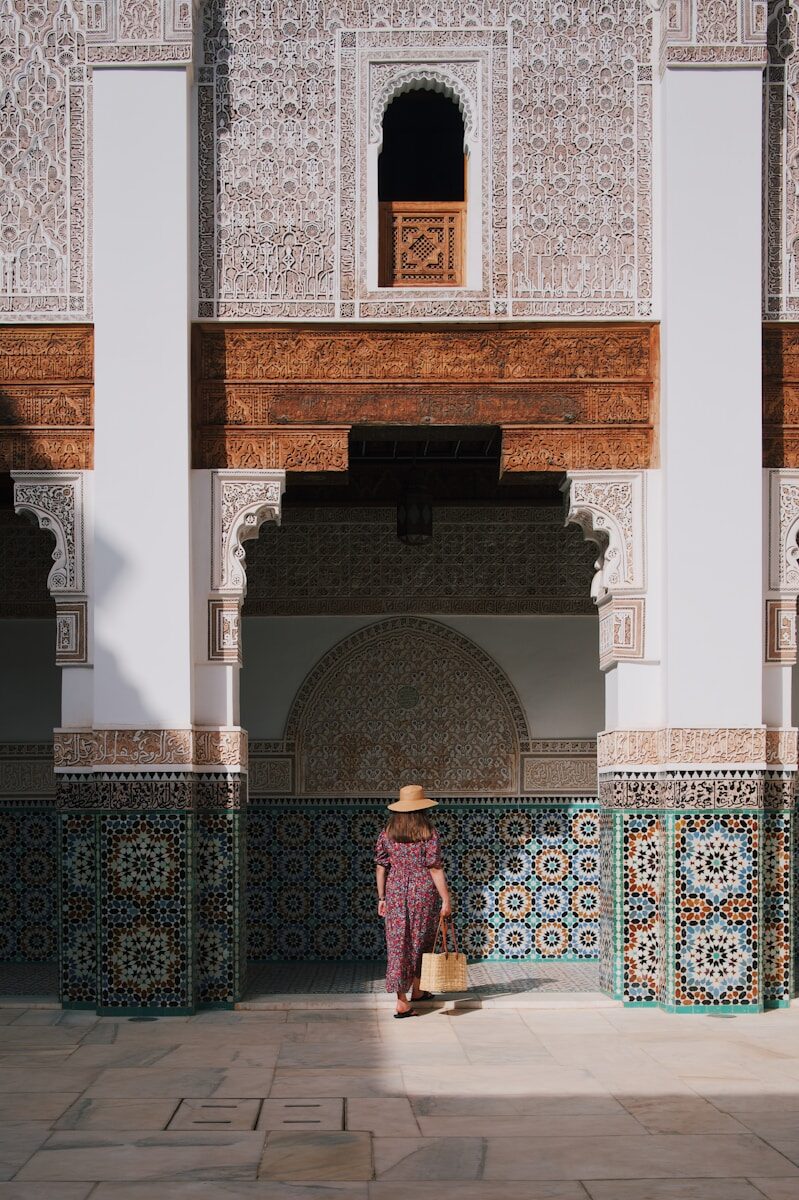
Introduction to Expats in Morocco
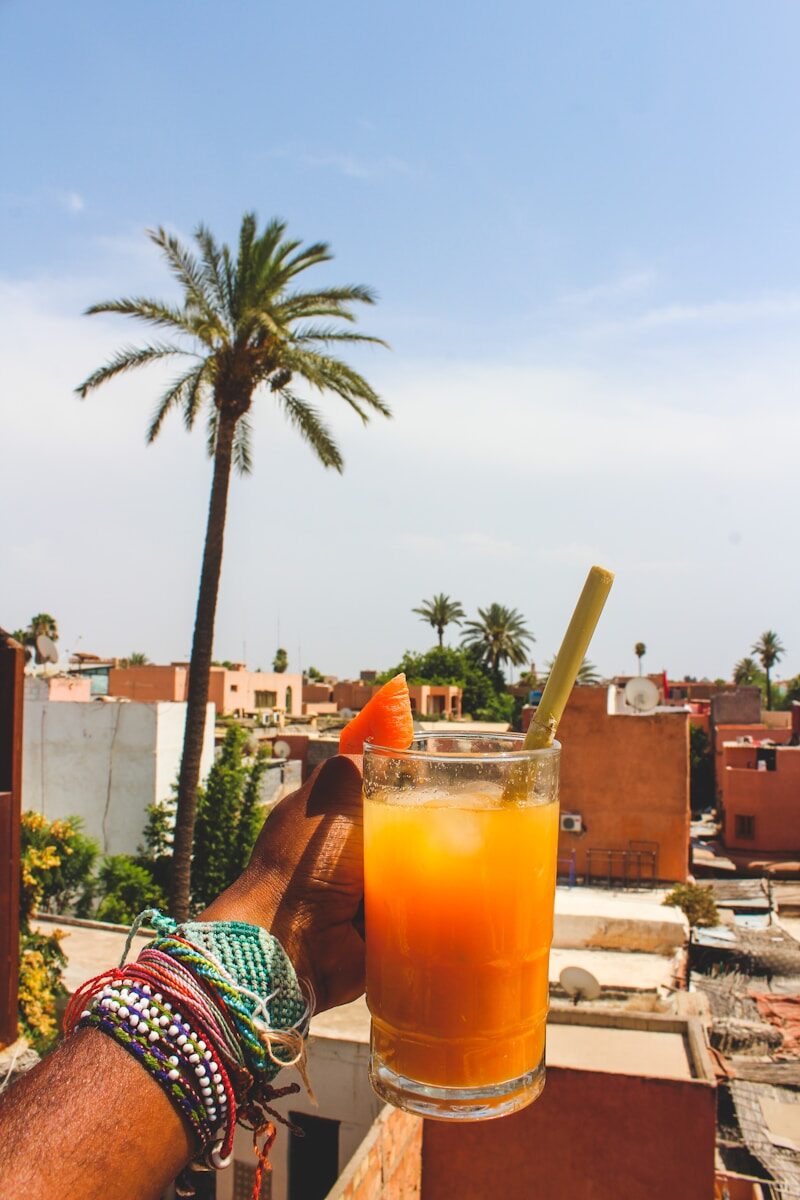
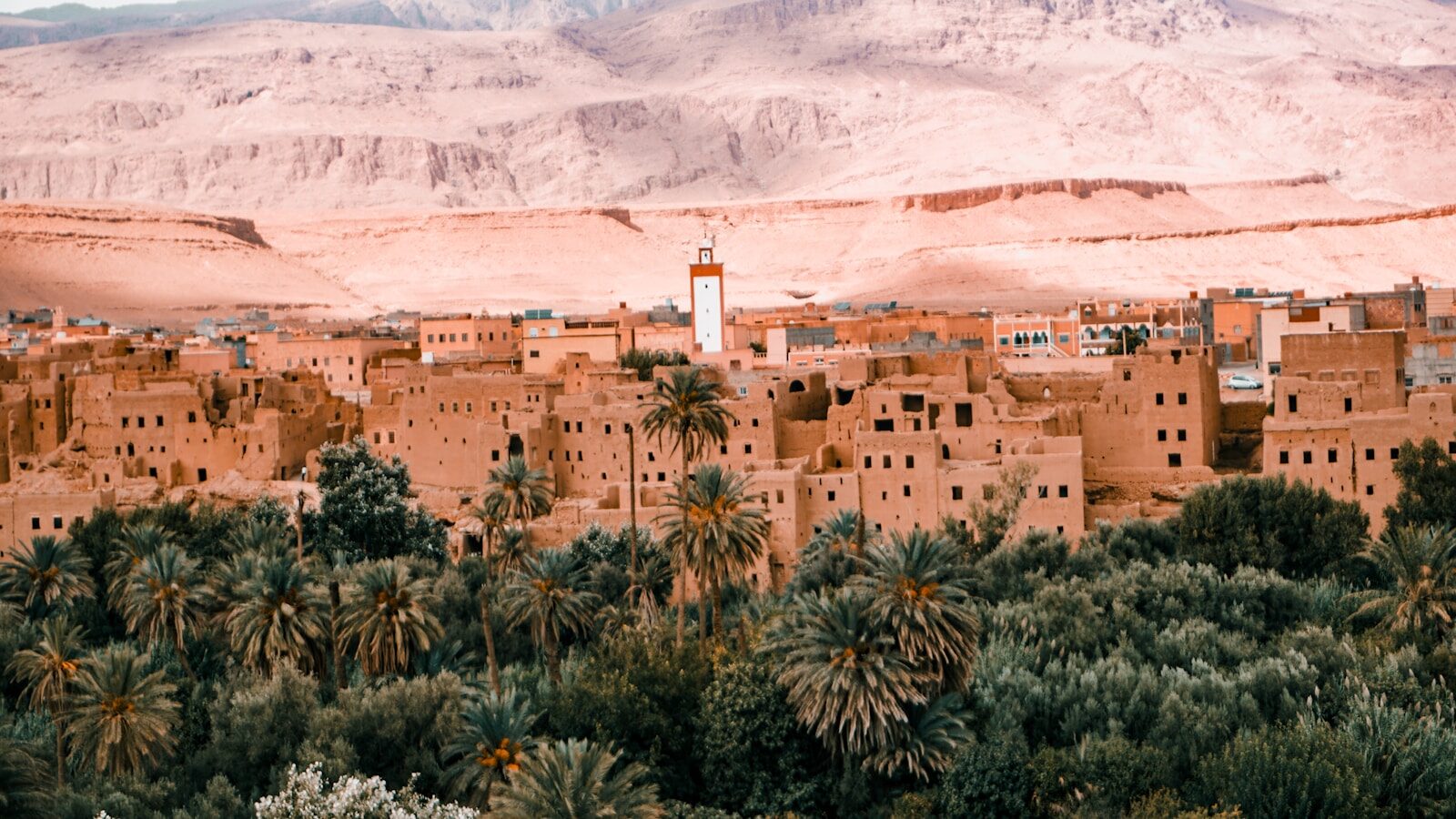
Morocco, with its rich cultural heritage, stunning landscapes, and welcoming people, has become an increasingly popular destination for expats from around the world. The country offers a unique blend of traditional and modern lifestyles, making it an attractive choice for those looking to experience a new and exciting way of living. From the bustling streets of Marrakech to the tranquil beaches of Essaouira, Morocco has something to offer for every kind of expat.
Why Choose Morocco?
There are many reasons why expats choose Morocco as their new home. The country has a relatively low cost of living compared to other popular expat destinations, making it an affordable option for those on a budget. Additionally, Morocco has a thriving expat community, with many social clubs, organizations, and events catering specifically to expats. The country also offers a range of outdoor activities, such as hiking, surfing, and skiing, making it a paradise for adventure-seekers.
Cost of Living in Morocco
The cost of living in Morocco is generally lower than in many other countries. Rent, food, and transportation are all relatively affordable, making it possible for expats to enjoy a comfortable lifestyle without breaking the bank. However, prices can vary depending on the location, with cities like Marrakech and Casablanca tend to be more expensive than smaller towns and rural areas.
- Rent: The cost of rent in Morocco can range from 2,000 to 10,000 dirhams (approximately $200-$1,000 USD) per month, depending on the location and type of accommodation.
- Food: Eating out in Morocco can be very affordable, with a meal at a local restaurant costing around 50-100 dirhams (approximately $5-$10 USD). Groceries are also relatively cheap, with a basket of basic items costing around 500-1,000 dirhams (approximately $50-$100 USD) per month.
- Transportation: Public transportation in Morocco is cheap and efficient, with a one-way ticket on a bus or train costing around 10-50 dirhams (approximately $1-$5 USD). Taxis are also widely available and relatively affordable, with a typical fare costing around 20-50 dirhams (approximately $2-$5 USD).
Visa Requirements for Expats in Morocco
Expats moving to Morocco will need to obtain a visa, which can be a complex and time-consuming process. There are several types of visas available, including a residence visa, work visa, and retirement visa. The requirements for each type of visa vary, but generally, expats will need to provide proof of income, health insurance, and a police certificate.
Residence Visa
A residence visa is required for expats who want to live in Morocco for more than 90 days. To apply for a residence visa, expats will need to provide proof of income, such as a pension or employment contract, as well as proof of health insurance and a police certificate. The application process can take several months, and expats may need to attend an interview at the Moroccan embassy or consulate in their home country.
Healthcare in Morocco
Morocco has a well-developed healthcare system, with many modern hospitals and medical facilities. However, the standard of healthcare can vary depending on the location, with cities like Marrakech and Casablanca tend to have better facilities than smaller towns and rural areas. Expats are advised to have health insurance that covers them for medical treatment in Morocco, as well as evacuation to another country if necessary.
Private Healthcare
Private healthcare in Morocco is generally of a high standard, with many modern hospitals and medical facilities. Expats can choose to use private healthcare facilities, which can be more expensive than public facilities but offer a higher standard of care. Many private healthcare facilities have English-speaking staff, making it easier for expats to navigate the system.
Education in Morocco
Morocco has a well-developed education system, with many schools and universities offering a high standard of education. Expats can choose to send their children to public or private schools, with many private schools offering an international curriculum. Additionally, there are several international schools in Morocco that cater specifically to expat children.
International Schools
International schools in Morocco offer a high standard of education, with many schools following an international curriculum such as the International Baccalaureate (IB) or the British curriculum. These schools are often more expensive than public schools but offer a more familiar education system for expat children. Many international schools also offer extracurricular activities and sports programs, making them a great option for expat families.
More Morocco Travel Tips
Frequently Asked Questions About Expat Life in Morocco
What do expats need to know before moving to Morocco?
Key considerations include obtaining the right visa (work permit, retirement visa, or investor visa), understanding the cost of living (30-50% lower than Western Europe), learning basic French and Darija for daily life, choosing between major cities based on lifestyle preferences, and connecting with established expat communities through Facebook groups, InterNations, or local expat associations in Casablanca, Marrakech, and Rabat.
Where do most expats live in Morocco?
The most popular expat destinations in Morocco are Marrakech (vibrant culture, tourism-driven economy), Casablanca (business hub, cosmopolitan), Rabat (diplomatic community, modern amenities), Tangier (close to Europe, growing tech scene), and Essaouira (relaxed coastal lifestyle). Each city offers distinct advantages in terms of cost, community size, international schools, and quality of life.
Is it easy to make friends as an expat in Morocco?
Morocco is known for its hospitality and welcoming culture, which makes building social connections relatively easy. Expat communities in major cities organize regular meetups, sports activities, and cultural events. Moroccans are generally warm and open to friendships with foreigners. Learning French or Arabic significantly enhances social integration and opens doors to deeper cultural experiences beyond the expat bubble.