Introduction to the Mellah District in Fes
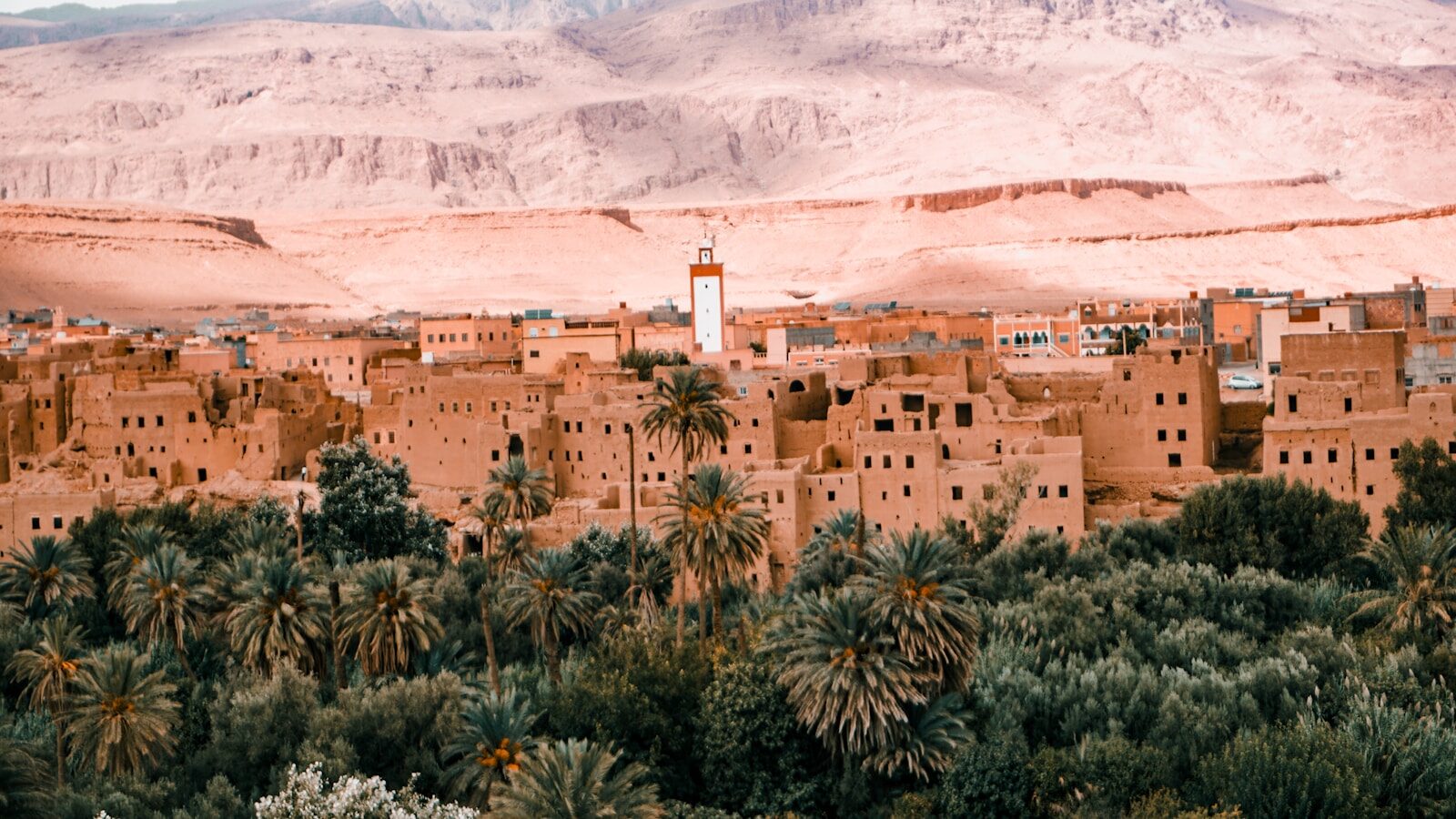
The Mellah district, located in the heart of Fes, Morocco, is a historic Jewish quarter that dates back to the 15th century. The word ‘Mellah’ is derived from the Arabic word ‘mlah,’ meaning ‘salt,’ which was a primary commodity traded in the area. Over the centuries, the Mellah district has played a significant role in the cultural, economic, and social fabric of Fes, showcasing the rich history of Jewish-Muslim coexistence in Morocco.
History of the Mellah District
The Mellah district was established in 1438 by Sultan Abdallah al-Burtughali, who invited Jewish families to settle in Fes. The Sultan’s decision to create a separate Jewish quarter was motivated by the need to stimulate economic growth and to provide a safe haven for Jewish refugees fleeing persecution in Spain and Portugal. The Mellah district quickly became a thriving commercial center, with Jewish merchants and artisans playing a vital role in the city’s economy.
During the 16th and 17th centuries, the Mellah district experienced significant growth, with many Jewish families settling in the area. The district became known for its vibrant cultural scene, with numerous synagogues, schools, and community centers. The Mellah district was also home to many notable Jewish scholars, poets, and artists, who made significant contributions to Moroccan Jewish culture.
Architectural Landmarks in the Mellah District
The Mellah district is characterized by its unique architectural style, which reflects the cultural exchange between Jewish and Muslim communities. Some of the notable landmarks in the district include:
- The Ibn Danan Synagogue, a 17th-century synagogue that is one of the oldest and most beautiful in Morocco.
- The Al-Fassiyine Synagogue, a 17th-century synagogue that is known for its stunning architecture and beautiful tile work.
- The Jewish Cemetery, a historic cemetery that dates back to the 15th century and is the final resting place of many notable Jewish figures.
Cultural Significance of the Mellah District
The Mellah district is not only an important historical site but also a vibrant cultural hub. The district is home to many cultural festivals and events, including the Fes Festival of World Sacred Music, which celebrates the city’s rich cultural heritage. The Mellah district is also a popular tourist destination, attracting visitors from around the world who are interested in learning about Jewish-Muslim coexistence and the history of Moroccan Judaism.
Today, the Mellah district continues to play an important role in the cultural and economic life of Fes. The district is home to many shops, restaurants, and cafes, and is a popular destination for both locals and tourists. Despite the challenges faced by the Jewish community in Morocco, the Mellah district remains a symbol of the country’s rich cultural diversity and its commitment to preserving its Jewish heritage.
Conclusion
In conclusion, the Mellah district in Fes is a unique and fascinating historical site that showcases the rich cultural heritage of Moroccan Judaism. The district’s history, architecture, and cultural significance make it an important destination for anyone interested in learning about Jewish-Muslim coexistence and the history of Moroccan Judaism. As a symbol of Morocco’s commitment to preserving its cultural diversity, the Mellah district continues to play an important role in the country’s cultural and economic life.
More Morocco Destinations
Frequently Asked Questions About the Mellah District in Fez
What is the Mellah of Fez?
The Mellah of Fez is the historic Jewish quarter, established in 1438 and one of the oldest in Morocco. Located within the Fez el-Jedid area near the Royal Palace, it was home to a thriving Jewish community for over 500 years. The Mellah is characterized by its distinctive architecture — balconied houses with outward-facing windows (unlike the inward-facing traditional Moroccan homes) — and retains its synagogues, cemetery, and commercial streets.
Can you visit the Fez Mellah today?
Yes, the Fez Mellah is open to visitors and offers a fascinating glimpse into Jewish-Moroccan heritage. Key sites include the Ibn Danan Synagogue (beautifully restored), the Habarim Jewish Cemetery (one of the largest in Morocco with white-painted tombs), and the Mellah market. While most Jewish residents have emigrated, the architecture and atmosphere remain distinctive. A knowledgeable guide can provide rich historical context about the community that shaped this unique neighborhood.
What is the significance of mellahs in Moroccan history?
Mellahs were designated Jewish quarters established by Moroccan sultans, ostensibly for community protection and governance. They existed in virtually every Moroccan city and served as centers of Jewish commercial, religious, and cultural life. While the mellahs reflected a form of segregation, they also facilitated communal self-governance and cultural preservation. Today, they stand as tangible evidence of Morocco’s multicultural history and the centuries-long coexistence of Muslim and Jewish communities.