Introduction to Desert Trekking
Desert trekking is an exhilarating adventure that offers breathtaking landscapes and unique challenges. However, the harsh desert environment demands careful preparation, especially when it comes to clothing. Dressing appropriately for a desert trek is crucial to ensure a safe and enjoyable experience. In this article, we will explore the essential clothing items and tips to help you prepare for your desert adventure.
Understanding Desert Conditions
Deserts are known for their extreme temperatures, intense sunlight, and limited shade. The temperature can soar during the day and drop dramatically at night, making it essential to dress in layers. Additionally, deserts are often windy, and the sand can be unforgiving, so it’s crucial to protect your skin and eyes from the elements.
Essential Clothing Items
When it comes to dressing for a desert trek, it’s essential to prioritize comfort, protection, and breathability. Here are some must-have clothing items to include in your trekking gear:
- Hiking boots or sturdy shoes: Look for boots or shoes with good arch support, ankle stability, and a waterproof membrane to keep your feet dry and comfortable.
- Moisture-wicking base layers: Choose breathable, moisture-wicking fabrics like merino wool or synthetic materials to keep you cool and dry.
- Insulating mid-layers: Pack lightweight, insulating mid-layers like fleece jackets or sweaters to stay warm during cooler evenings.
- Waterproof and windproof outer layers: Bring a waterproof and windproof jacket to protect you from the elements.
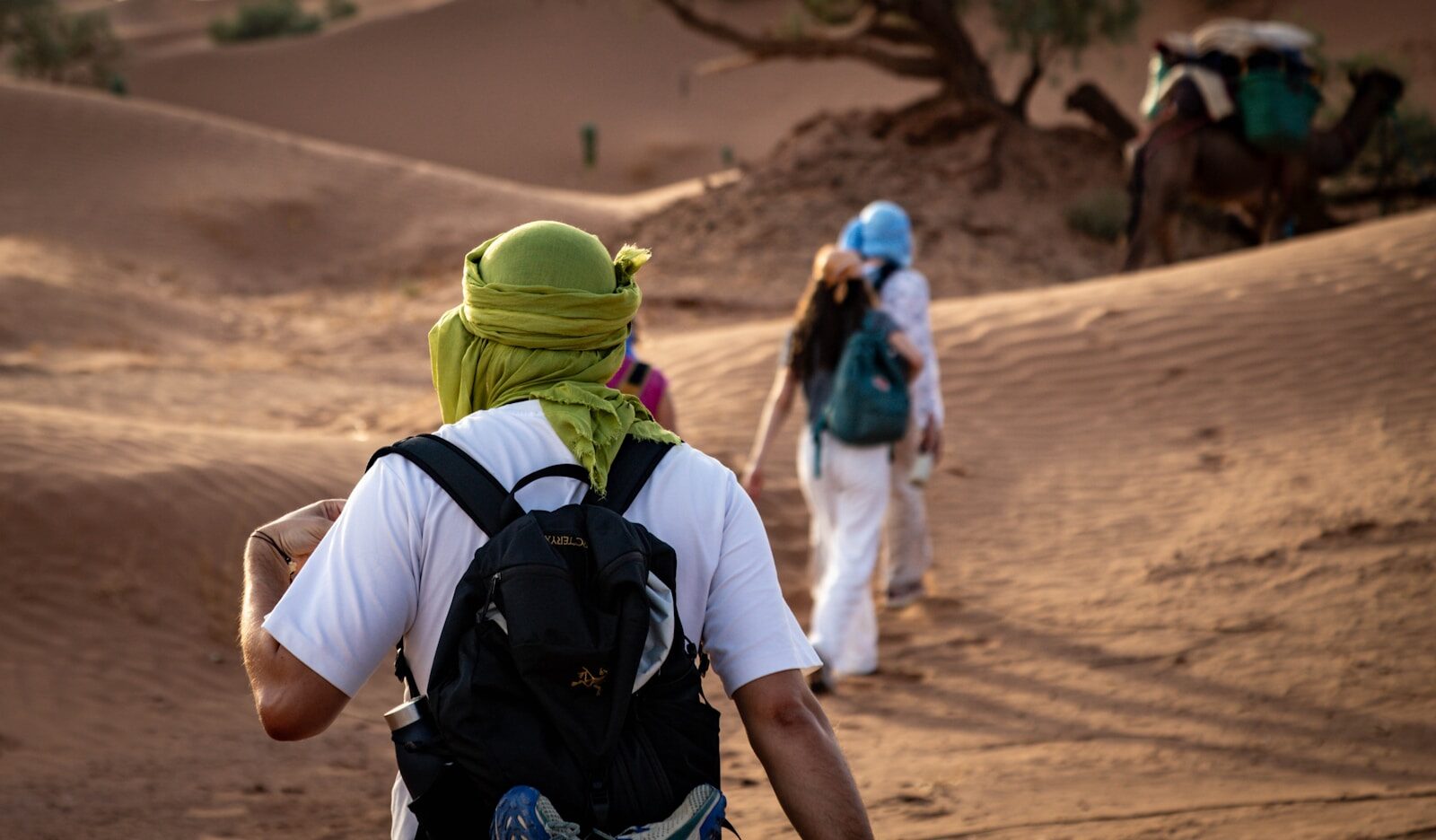
- Protective gear: Don’t forget to pack a hat, sunglasses, sunscreen, and a scarf or bandana to protect your skin and eyes from the sun and sand.
Tips for Dressing in the Desert
Dressing in layers is key to regulating your body temperature in the desert. Here are some additional tips to keep in mind:
- Dress in light colors: Light-colored clothing can help reflect the sun’s rays and keep you cooler.
- Choose loose-fitting clothing: Loose-fitting clothing can help keep you cool and allow for a full range of motion.
- Avoid cotton: Cotton can be heavy and slow to dry, making it a poor choice for desert trekking.
- Stay hydrated: Drink plenty of water to stay hydrated and help your body regulate its temperature.
Additional Gear and Accessories
In addition to clothing, there are several other gear and accessories you should consider packing for your desert trek:
- Backpack: Choose a comfortable, sturdy backpack with multiple compartments to keep your gear organized.
- Water bottle or hydration bladder: Stay hydrated with a water bottle or hydration bladder that can withstand the desert heat.
- First aid kit: Pack a basic first aid kit with essentials like bandages, antiseptic wipes, and pain relievers.
- Map and compass: Bring a map and compass to navigate the desert terrain.
Conclusion
Dressing for a desert trek requires careful consideration of the harsh desert environment. By choosing the right clothing items, dressing in layers, and packing essential gear and accessories, you can ensure a safe and enjoyable desert adventure. Remember to stay hydrated, protect your skin and eyes from the elements, and be prepared for changing weather conditions. With the right gear and mindset, you’re ready to take on the challenges and beauty of the desert.
More Morocco Travel Tips
Frequently Asked Questions About Desert Trek Clothing
What shoes should I wear for a desert trek in Morocco?
Closed-toe hiking boots or sturdy trail shoes work best. Sandals may seem tempting but sand gets extremely hot during the day and provides no ankle support on dunes. For short camel rides, any comfortable closed shoe is fine.
Do I need to cover up in the Moroccan desert?
Yes, but for practical rather than cultural reasons. Long, loose-fitting clothing protects against sunburn, windburn, and sand. A lightweight long-sleeve shirt and breathable pants are ideal. A scarf or chèche (Saharan turban) protects your face from sand and sun.
What should I pack for an overnight desert camp?
Essentials: warm layers for cold nights (fleece + windbreaker), sunscreen SPF50+, sunglasses, headlamp or flashlight, personal medications, a power bank (no electricity at basic camps), and a reusable water bottle. Luxury camps provide bedding, but bring thermal underwear for winter trips.
Is there a dress code for women in the desert?
Desert camps are relaxed about dress codes. However, comfortable modest clothing is practical: long pants, a loose top, and a headscarf for sun and wind protection. At tourist-oriented camps, you can dress casually. Swimwear is only appropriate at luxury camps with private pools.